

Benefits of Well Water Treatment for Large-Scale Agricultural Projects
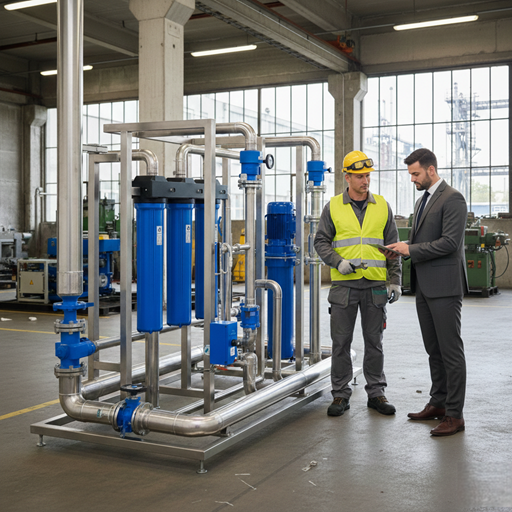
Well water treatment is a crucial process in large-scale agricultural projects, as it aims to ensure that the water used for irrigation meets the safety and quality standards necessary for sustainable agriculture. The importance of well water treatment lies in its ability to improve water quality, which directly impacts crop yields and soil health, as well as promoting effective resource management. With the increasing reliance of agricultural practices on well water, particularly in areas with limited municipal water supplies, effective treatment methods have become essential for improving irrigation and conserving valuable freshwater resources.
Well water treatment methods can be broadly categorized as chemical and non-chemical. Chemical treatments, such as chlorination and ozone, effectively remove pathogens but require careful management to avoid negative impacts on soil and crops. In contrast, non-chemical methods, including UV disinfection and advanced filtration systems, offer safe alternatives that leave no chemical residues, thus preserving the ecological balance of the agricultural environment.
In addition, innovations such as reverse osmosis and automated smart irrigation systems are transforming traditional farming practices, enabling farmers to adjust water quality and usage based on real-time data. Despite the numerous benefits of well water treatment, challenges remain related to regulatory compliance, financial considerations, and the need for continuous monitoring and maintenance of treatment systems. Farmers must navigate complex regulations, manage nutrient runoff, and invest in training for effective implementation. These challenges underscore the need to integrate well water treatment with sustainable agricultural practices to enhance long-term environmental management and productivity.
In short, well water treatment plays a pivotal role in promoting agricultural sustainability, crop health, and holistic resource management. By adopting appropriate treatment technologies and practices, farmers can significantly improve water quality, leading to increased yields, reduced environmental impact, and improved financial outcomes, making it an increasingly important topic in modern agriculture.
Types of Well Water Treatment
Well water treatment is essential to ensure that agricultural water meets safety and quality standards. Various methods are used to improve the quality of well water, making it suitable for irrigation and other agricultural uses.
Chemical Treatments
Chemical treatments are widely used in the agricultural sector to improve water quality and reduce microbial risks.
Chlorination
Chlorination involves adding chlorine compounds, such as chlorine gas or sodium hypochlorite, to disinfect water by effectively killing bacteria and viruses. It is a cost-effective method, but requires careful monitoring of chlorine levels to prevent adverse effects on soil microorganisms and crop quality.
Ozone Treatment
Water is treated with ozone by injecting ozone gas into it, providing a powerful oxidation effect that kills microorganisms. Ozone is effective and leaves no chemical residue, making it an environmentally friendly option. However, the complexity and cost of ozone systems should be considered before implementation.
Coagulation and Flocculation
These processes involve adding chemicals such as alum to neutralize the charges of particles, allowing the fine particles to clump together and settle. This treatment is effective in removing organic matter and some heavy metals from water.
Non-Chemical Treatments
Non-chemical treatments rely on physical methods to improve water quality without adding chemicals.
Ultraviolet (UV) Sterilization
UV systems use ultraviolet light to inactivate pathogens by damaging their genetic material. This method is fast and efficient, making it a popular choice in agricultural applications where chemical residues are a concern. Proper installation and adherence to approved protocols are crucial to ensuring effectiveness.
Filtration Systems
It is a key barrier against contaminants, using various types of filters such as sand, screen, and disc filters to remove suspended solids and pathogens from water sources. Filtration not only improves water quality but also extends the lifespan of irrigation equipment.
Advanced Technologies
Innovative technologies are revolutionizing well water treatment practices:
Reverse Osmosis (RO)
Reverse osmosis is a high-pressure filtration method that removes more than 95% of dissolved salts, pathogens, and heavy metals. This technology is particularly useful for using saline or polluted water sources for irrigation. Reverse osmosis technologies are essential in areas like Sudair and Washm to reduce dissolved salt levels that can harm greenhouse crops.
Nanofiltration (NF)
Similar to reverse osmosis, nanofiltration allows the passage of specific ions, striking a balance between desalination and cost-effectiveness. This technology is gaining increasing popularity in the agricultural sector due to its high efficiency.
Automated Smart Irrigation Systems
Integrating sensors and data analytics with treatment technologies enables the creation of precise irrigation systems that adapt water quality and quantity to crop needs in real time, improving resource management and efficiency. These diverse treatment options are essential for maintaining the quality of well water used in large agricultural projects, ensuring safe and efficient irrigation practices.
Common Well Water Contaminants
Private well water can be a reliable source of drinking water; however, it is susceptible to a variety of contaminants that can pose serious health risks. These contaminants can be classified into three main groups: microorganisms, chemical, and physical contaminants.
Microbial contaminants
Microbial contaminants include bacteria, viruses, and parasites. These contaminants often enter well water through surface runoff, animal waste, and leaks in sewage systems.
- Bacteria: Species such as Escherichia coli and coliform bacteria can cause intestinal illnesses, including diarrhea and vomiting.
- Viruses: Waterborne viruses can cause illnesses such as gastroenteritis and hepatitis A. They can leach into well water through contaminated soil or surface runoff.
- Parasites: Organisms such as Giardia and Cryptosporidium may contaminate well water, leading to serious health problems.
Chemical contaminants
Chemical contaminants often originate from agricultural and industrial activities.
- Nitrates and nitrites: Nitrates are commonly associated with agricultural runoff, and high levels of them in drinking water can lead to serious problems.
- Heavy metals: Contaminants such as lead, arsenic, and mercury can enter groundwater through mining, industrial processes, and faulty plumbing systems. High levels of these metals can lead to long-term health problems, including cancer and nervous system damage.
- Pesticides and herbicides: Agricultural chemicals, such as glyphosate and atrazine, can leach into well water, posing risks to human health.
- Organic chemicals: This category includes solvents, pharmaceuticals, and other industrial byproducts that may contaminate groundwater due to spills and improper disposal practices.
Physical contaminants
Physical contaminants can affect water quality and may indicate underlying problems in the well system:
- Turbidity: This can be caused by sediment, dissolved air, or methane gas. While sediment may not always pose a health risk, it can introduce other contaminants and pathogens into the water supply.
- Total dissolved solids (TDS): High levels of TDS may indicate the presence of harmful contaminants. Although they don’t directly affect health, they can lead to technical problems in plumbing and appliances.
Regular testing and treatment of well water is crucial for managing these contaminants and ensuring safe drinking water for agricultural and residential use.
Benefits of Well Water Treatment
Well water treatment offers numerous advantages for large-scale agricultural projects, contributing to improved crop yields, sustainable water management, and enhanced soil health. Read also: Why Desalination of Saltwater is the Solution
Improving Water Quality
One of the most important benefits of well water treatment is improving its quality. Advanced technologies, such as chemical-free water treatment, can significantly improve well water quality, leading to better irrigation results and reduced equipment damage caused by minerals in hard water. Testing well water for contaminants and adjusting its pH level ensures its safety for agricultural use and supports healthy plant growth.
Effective Resource Management
Well water is often drawn from natural aquifers, making it a vital resource for irrigation, particularly in areas with limited municipal water supplies. Effective treatment methods help farmers monitor and manage water quality and quantity, which is essential for maximizing crop yields and minimizing waste. By ensuring a clean water supply, farmers can improve irrigation practices and thus conserve precious freshwater resources.
Increased Crop Yields
Properly treated well water can directly impact crop yields by providing plants with essential nutrients and reducing the risks associated with contaminants. High-quality irrigation water contributes to improved soil health, which in turn supports stronger root growth and better nutrient uptake. Furthermore, treatments that address specific contaminants—such as pesticides and organic compounds—can help maintain soil integrity and boost overall agricultural productivity.
Cost-Effectiveness
Investing in well water treatment systems can result in significant long-term cost savings for farmers. By preventing problems related to water hardness and contaminants, these systems reduce maintenance costs associated with irrigation infrastructure, thus improving water use efficiency.
Improved Water Use Efficiency
In addition, using modern filtration technologies can help farmers avoid costly crop losses resulting from water quality issues, ultimately leading to better financial outcomes.
Environmental Benefits
Treating well water can lead to significant environmental benefits. By using well water instead of municipal water sources, farmers can reduce pressure on public water networks and contribute to water conservation efforts. Furthermore, well water treatment can reduce the impact of agricultural runoff, helping to prevent water pollution and protect surrounding ecosystems.
Towards Sustainable Agriculture and Higher Productivity: Start with Carewater
Protecting your agricultural investment begins with the quality of the water you pump into your land. At Carewater Solutions, we don’t just provide technical solutions; we offer success partners for your agricultural project in Saudi Arabia.
Whether you’re struggling with high salinity (TDS) in your wells or heavy metal buildup that’s damaging your irrigation systems, our engineering team is ready to design, supply, and install integrated well water treatment plants using the latest reverse osmosis (RO) and advanced filtration technologies.
Why choose CareWater for your next water treatment plant installation?
- Customized Solutions: The plant is designed based on the actual chemical analysis of your well and your crop type.
- Saudi Efficiency: Systems designed to withstand harsh climatic conditions and high temperatures.
- Ongoing Technical Support: After-sales services and maintenance to ensure uninterrupted production.
Don’t let water quality hinder your project’s growth. Contact us now for a technical consultation, and let our experts help you select and install the optimal plant that guarantees the highest return on investment.