

Water Treatment Valve Maintenance Challenges
Water treatment valves are essential components in managing water flow and quality within treatment plants. These valves, including gate valves, ball valves, butterfly valves, non-return valves, diaphragm valves, and other types of valves, perform specific functions and are crucial for maintaining operational efficiency and the safety of water treatment processes.
However, maintaining these valves presents numerous challenges that can significantly impact both operational performance and regulatory compliance. Issues such as valve failures, aging infrastructure, water quality variations, and inadequate maintenance practices contribute to deficiencies and potential hazards within the system.
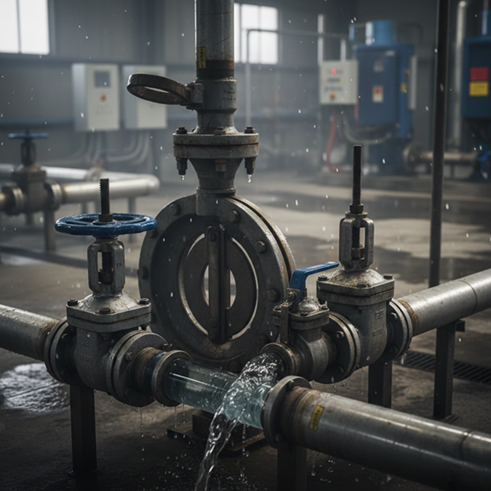
Among the most pressing valve maintenance challenges are mechanical failures, which can result from factors such as leakage, cavitation, and improper installation. These failures not only disrupt water flow but can also lead to environmental pollution and costly repairs.
Addressing these challenges is critical to the overall effectiveness of water treatment plants. By implementing comprehensive maintenance strategies, leveraging modern technologies, and fostering a culture of training and continuous improvement, facilities can enhance operational efficiency, reduce costs, and adhere to environmental standards in their vital mission of providing clean and safe water.
Common Challenges
Maintaining water treatment valves presents diverse challenges that can significantly impact operational efficiency and safety. These challenges stem from both mechanical and operational factors, necessitating comprehensive strategies for effective maintenance.
Mechanical Problems
Valve failure is one of the most common mechanical challenges, and it can manifest in various ways, including leakage, cavitation, and erratic operation. Leakage is often caused by worn sealing rings, damaged valve seats, or improper installation, resulting in wasted resources and potential safety hazards in the presence of hazardous fluids. Cavitation, caused by sudden pressure changes, leads to the formation of vapor bubbles that can damage valve components, negatively impacting system efficiency. Mechanical failures, such as valve stem gasket leaks or operator problems, contribute to valve malfunctions, disrupting normal operations and increasing maintenance requirements.
Read also: Valve Maintenance or Replacement: A Strategic Guide to Making the Right Decision
Aging Infrastructure
Aging infrastructure and the use of substandard materials are major contributors to valve failure in water treatment systems. Prolonged exposure to harsh conditions can lead to corrosion and mechanical stress, degrading valve performance over time. Therefore, regular inspections and preventative maintenance are essential to address these aging issues and extend valve life.
Variable Water Quality
Managing variable water quality presents another significant challenge. Incoming water quality can fluctuate due to seasonal variations or differences in its source, impacting treatment efficiency and the overall quality of treated water. These variations can lead to operational complexities requiring adjustments and ongoing monitoring to ensure compliance with regulatory standards.
Inadequate Maintenance
Neglecting routine maintenance can exacerbate these problems, leading to increased costs and reduced operational efficiency. Common maintenance challenges include reduced pump efficiency, pipe leaks, and valve failures, all of which can disrupt water treatment processes. Implementing a proactive maintenance strategy can mitigate these risks by enabling technicians to identify potential problems before they escalate into costly breakdowns.
Lack of Training and Knowledge
Finally, training issues hinder effective valve maintenance. Inadequate training can lead to operational errors, increasing the likelihood of mechanical failures and reducing the overall reliability of water treatment systems. Ensuring that maintenance personnel are well-trained in best practices for valve assembly and operation is essential to minimizing these risks and improving system performance. By understanding and addressing these common challenges, water treatment plants can enhance their operational efficiency, reduce costs, and comply with environmental regulations.
Maintenance Practices
Effective maintenance practices are essential to ensure optimal performance and longevity of water treatment valves. A systematic approach not only helps prevent unexpected breakdowns but also improves the overall efficiency of the water treatment system.
Routine Maintenance Tasks
Routine maintenance is essential for the upkeep of water treatment valves. Regular cleaning and disinfection of components are necessary to remove accumulated sediment and impurities, as well as microbial growth. This includes cleaning filter housings, disinfecting membranes, and cleaning tanks or basins according to the manufacturer’s recommendations to avoid damaging system components. Furthermore, it is important to document all maintenance procedures performed, including troubleshooting steps and their results, to maintain a comprehensive record for future reference.
Maintenance Schedule
Implementing a well-defined maintenance schedule is crucial for preventative measures. This schedule should include specific timeframes for periodic inspections, cleaning, lubrication, and calibration of equipment. By adhering to this schedule, maintenance technicians can systematically inspect and maintain each valve, significantly reducing the risk of unexpected breakdowns.
Inspections
Regular valve inspections are crucial. Technicians should look for signs of wear, leaks, or abnormal vibrations during these inspections. This proactive approach allows for the identification of potential problems before they escalate into major issues. Furthermore, cleaning and lubricating moving parts during operation is essential. This inspection reduces friction and wear, thus extending valve life.
Related Article: The Importance of Valve Maintenance in Water Treatment Plants as a Cornerstone of Operational Efficiency
Corrective Actions
Upon identifying any problem, immediate corrective action must be taken. This may include repairing or replacing faulty valves, performing preventative repairs, or modifying configurations to mitigate potential risks. Compliance specialists should continuously evaluate the effectiveness of maintenance and adjust procedures as needed to ensure optimal valve performance and high reliability.
Documentation and Training
Providing training to maintenance personnel on proper procedures is crucial. This training should include clear documentation of maintenance activities and the use of visual aids to help technicians effectively grasp complex concepts. By fostering a knowledgeable and qualified maintenance team, organizations can improve their operational efficiency and ensure the reliability of their water treatment valves.
Preventative Maintenance Strategies
Preventative maintenance is essential for the efficient operation of water treatment valves, ensuring they function optimally and minimizing the risk of costly repairs or replacements. This proactive approach involves systematically inspecting and maintaining equipment to prevent problems before they occur, thereby extending equipment lifespan and reducing unexpected downtime.
The Importance of Preventive Maintenance
Implementing a preventive maintenance program is crucial in the water treatment sector, as it enables technicians to identify and address potential problems early on. By adhering to a well-defined maintenance schedule that includes periodic inspections, cleaning, lubrication, and valve calibration, facilities ensure the proper and efficient operation of equipment. This schedule helps minimize the likelihood of operational failures due to valve malfunctions.
Developing a Comprehensive Maintenance Plan
A comprehensive maintenance plan should detail the periodic valve inspection schedules, clearly define maintenance tasks, and specify their frequency and duration. It should also include planning and control tools to effectively manage maintenance activities. This plan will help identify necessary spare parts, assess the reliability and maintenance costs of each valve, and establish performance indicators to measure program success.
Training and Competencies
Ensuring that technicians receive adequate training is critical to the success of preventive maintenance strategies. Technicians must be thoroughly familiar with the operation, control, and monitoring of the valves they maintain. Regular training programs enable staff to acquire the skills necessary to identify potential problems before they escalate, ensuring efficient and effective maintenance efforts. Furthermore, having qualified personnel allows operations to continue smoothly even in the absence of key staff.
Implementing Corrective Actions
When inspections reveal problems, immediate corrective action is essential. This may include repairing or replacing faulty valves or modifying system configurations to mitigate potential risks. By addressing problems promptly, compliance specialists can prevent unexpected failures and maintain reliable operations. Maintaining detailed records of all maintenance activities and corrective actions taken helps track valve performance history and guide future maintenance planning.
Utilizing Modern Tools and Technologies
Technological advancements have provided maintenance teams with tools that enhance preventive maintenance efforts. Modern maintenance management systems can streamline maintenance processes and enable predictive maintenance, helping to identify potential problems before they develop into major issues. Continuous learning and professional development for employees play a crucial role in improving preventive maintenance strategies and ensuring the ongoing safety and quality of water resources.
Technological Innovations
Technological advancements are critical to improving the maintenance and efficiency of water treatment valves. Among the most prominent innovations are the integration of smart actuators and remote monitoring systems. These technologies facilitate real-time monitoring of valve performance, enabling operators to efficiently manage water flow and pressure while ensuring continuous operation, which is vital for maintaining water quality and availability.
Automation and Predictive Maintenance
The adoption of automation technologies has revolutionized preventive maintenance practices in the water treatment sector. Smart sensors equipped with data analytics capabilities allow for continuous monitoring of equipment condition. By analyzing data from condition monitoring devices, such as vibration and temperature sensors, maintenance teams can predict equipment failures and optimize maintenance schedules before problems escalate into costly breakdowns. For example, smart sensors can alert operators to any deviations in pressure or flow rates, prompting immediate corrective action to prevent potential failures.
Outages
Furthermore, the integration of IoT devices enhances maintenance teams’ ability to predict equipment failures. Predictive maintenance algorithms use historical and real-time data to forecast when equipment will fail, enabling proactive interventions. This not only reduces downtime but also extends the lifespan of critical assets and improves overall system performance.