

Valve Maintenance in Greywater Treatment Plants
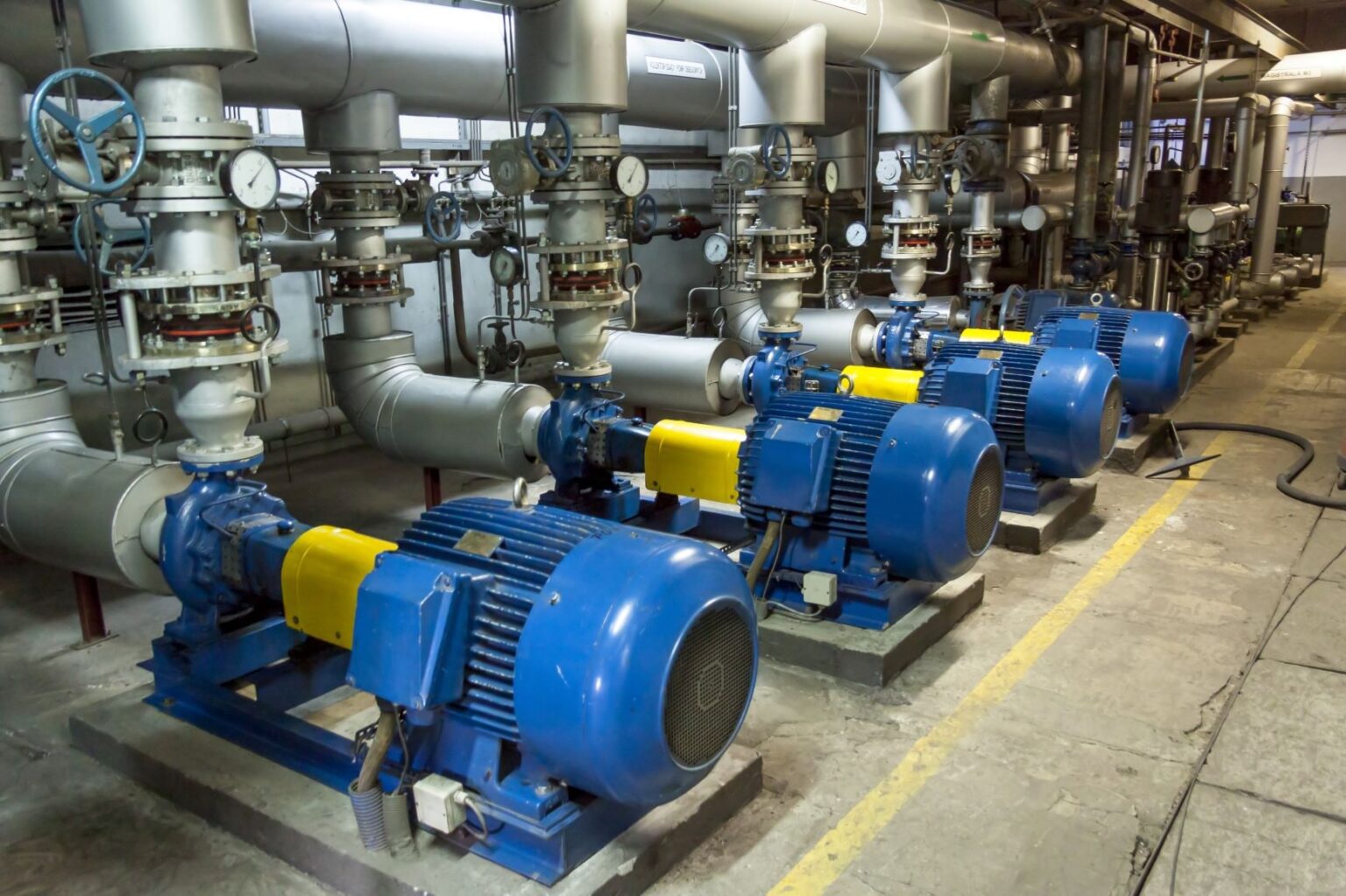
Valve maintenance in greywater treatment plants is a critical aspect of wastewater management, ensuring the efficient and safe treatment of domestic wastewater generated from activities such as washing and cleaning. These plants rely on various types of valves, including ball valves, gate valves, butterfly valves, and non-return valves, to effectively control the flow and direction of greywater. Valve maintenance is essential for the reliability of treatment system operation, which is vital for sustainable water management and environmental protection.
Valve maintenance in greywater treatment plants encompasses a range of procedures designed to prevent operational failures and extend the lifespan of these critical components. Key practices include periodic inspections to detect corrosion and wear, cleaning and lubrication to prevent operational malfunctions, and calibration to ensure optimal performance.
Furthermore, comprehensive training for maintenance technicians and accurate documentation of maintenance activities are crucial to ensuring adherence to best practices and compliance with regulations.
Types of Valves Used in Greywater Treatment Plants
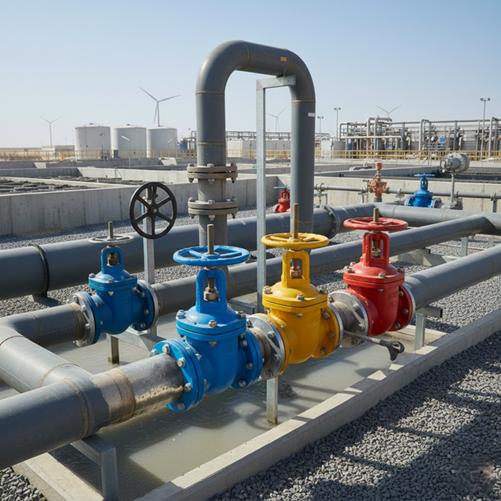
Greywater treatment plants use various types of valves to efficiently manage the flow and direction of wastewater during the treatment process. Each valve type plays a crucial role in maintaining the efficiency and sustainability of these systems, which treat domestic wastewater generated from activities such as washing and cleaning. The main types of valves used in greywater treatment plants include ball valves, butterfly valves, gate valves, non-return valves, and others.
An important article offering five tips for choosing the right valve in your greywater treatment plant:
Ball Valves
Ball valves are known for their ease of operation. They consist of a spherical disc that controls the flow of fluid through a quarter-turn mechanism. When the valve is open, an opening in the ball aligns with the direction of flow; when closed, the solid side of the ball blocks the flow. This design allows for rapid opening and closing, making ball valves particularly suitable for applications requiring quick flow control. These valves are durable and can withstand high-pressure conditions, which is essential in water treatment systems. However, their complexity can make them difficult to clean, potentially leading to contamination problems.
Gate Valves
Gate valves are commonly used in greywater treatment plants due to their excellent shut-off capabilities. These valves operate by moving a gate along a linear path to block or allow the flow of fluid. They have low resistance to fluid movement, making them suitable for a variety of fluids, including viscous substances and suspensions. However, they are typically kept fully open or fully closed and are not recommended for flow control because of the risk of damage from fluid impacting a partially open gate.
Butterfly Valves
Butterfly valves use a pivoting disc to regulate flow. When the valve is closed, the disc is perpendicular to the flow direction and parallel to it when open. Their compact design makes them lightweight and suitable for large-diameter pipelines, which is beneficial in water distribution systems. Butterfly valves are efficient at maintaining constant flow rates but can be difficult to clean and are less effective in flow control applications under high differential pressure.
Non-return Valves
Non-return valves, or check valves, are essential for preventing backflow in piping systems. They open automatically with fluid pressure and close to prevent backflow, thus protecting pumps and treatment equipment from potential damage.
These valves are crucial for ensuring the smooth operation of treatment systems, and their simple, automated design minimizes the need for external controls.
This article provides more details on all types of valves used in greywater treatment plants.
Maintenance Procedures
Regular maintenance is essential to ensure the efficient and reliable operation of valves in a greywater treatment plant. This section outlines the main maintenance procedures that should be implemented to prevent failures and extend the lifespan of valve systems.
Routine Maintenance Tasks
Periodic Inspections
Performing periodic inspections is critical to identifying any signs of wear, damage, or failure in valve components. These inspections should be comprehensive and include checking for leaks, structural integrity, and operational performance.
Key areas to inspect include the valve stem and the packing area, where leaks may occur. The structural components of the valve body and cover should be inspected for signs of rust or cracks, and external leakage indicators should be checked, as these may point to potential malfunctions.
Cleaning and Lubrication
Regular cleaning and lubrication of valves helps prevent the buildup of deposits and impurities that can impede their operation. It is important to clean valve components, especially those that handle fluids containing particles or operate in contaminated environments. Appropriate cleaning tools and materials should be used according to the manufacturer’s recommendations to avoid damage. Lubricating moving parts is crucial to reducing friction and wear, ensuring smooth operation.
Calibration and Performance Testing
Calibrating valves ensures they operate within specified parameters, promoting accurate performance. Regular diagnostic tests, such as water quality assessments and pressure tests, should be performed to verify that valves are functioning correctly and to identify any issues that may require addressing.
Implementing Predictive Maintenance
Implementing a predictive maintenance program can significantly improve valve management. This includes using sensors and monitoring systems to detect any deviations from normal operating parameters, allowing for timely intervention before problems be worst.
Regular visual inspections, along with continuous monitoring, help identify early signs of problems, such as leaks or unusual operating behavior, ensuring proactive maintenance measures are taken. By adhering to these maintenance procedures, operators can ensure the reliable operation of valve systems in greywater treatment plants, ultimately contributing to efficient wastewater treatment and the provision of clean and safe water.
Common Problems, Troubleshooting, and Repairs
Maintaining valves in a greywater treatment plant is critical to ensuring efficient operation and water quality. Several common problems can occur in valve systems, necessitating regular troubleshooting and maintenance practices.
Leaks
Leaks are among the most common problems in valve systems. They are often caused by damaged seals, gaskets, or packing materials, which can lead to reduced operational efficiency and safety concerns when handling hazardous fluids. To address leaks, inspect these components for signs of damage and replace them as needed. Ensuring that valves are properly installed and aligned also prevents leaks.
Failure or Immersion
Valves can sometimes fail, hindering fluid flow control. This problem may arise from corrosion, deposit buildup, or insufficient lubrication of internal components. Regular valve operation—that is, running them periodically—helps prevent failure by ensuring that components remain in good working order. If an impingement occurs, the affected valve may need to be thoroughly inspected and cleaned.
Irregular Operation
Irregular operation, characterized by valves opening or closing irregularly, significantly impacts the efficiency of greywater treatment processes. This may be caused by malfunctions in the valve actuator or control systems. To resolve this issue, check the actuator’s performance and ensure it is functioning correctly. Monitoring the valve’s condition during operation can help diagnose underlying problems and facilitate timely repairs.
Corrosion
Corrosion is another critical issue affecting valve integrity and performance. Exposure to corrosive fluids can weaken internal components and sealing surfaces, leading to leaks and operational failures. Regular inspections should be conducted to detect signs of rust or corrosion, and preventative measures should be taken, such as applying appropriate coatings or using corrosion-resistant materials to extend valve life.
Regular Maintenance
To effectively address these common problems, a regular maintenance schedule is essential:
- Perform periodic inspections to identify corrosion and wear, paying particular attention to seals and internal components.
- Conduct diagnostic tests to evaluate valve performance and fluid flow characteristics.
- Keep spare parts on hand for quick repairs and to minimize downtime during breakdowns.
By following these practices, operators can maintain efficient valve operation and extend the life of their equipment, ensuring a continuous supply of clean and safe water in greywater treatment systems.
Best Practices for Valve Maintenance
Effective valve maintenance is critical to ensuring the reliable operation of greywater treatment plants. Implementing a robust maintenance program not only extends valve life but also prevents costly breakdowns and operational downtime. The following are key best practices for valve maintenance in these systems.
Periodic Inspections
Periodic inspections are the cornerstone of valve maintenance. These inspections should be performed regularly to assess the mechanical and functional integrity of valves. Inspectors should focus on detecting leaks, corrosion, wear, and any operational malfunctions.
Establishing a structured inspection schedule, based on valve usage and surrounding environmental conditions, is essential. Frequent inspections are particularly important for valves used in critical processes or subjected to intensive use.
Predictive Maintenance Program
Adopting a predictive maintenance approach enhances the effectiveness of inspections. This strategy utilizes data-driven techniques, such as vibration analysis and acoustic monitoring, to identify potential problems before they lead to failures. Implementing continuous monitoring systems can help maintain optimal valve performance and minimize unexpected failures.
Cleaning and Lubrication
Proper cleaning and lubrication are essential for maintaining valve function. Cleaning should involve removing deposits and contaminants using appropriate tools and mild cleaning agents. Moving parts should be lubricated according to the manufacturer’s specifications. Regular cleaning schedules must be implemented to ensure the valves remain in optimal condition.
Documentation and Training
Training maintenance staff on best practices and proper procedures is crucial. Employees must understand the rationale behind each maintenance task, enabling them to identify problems early and perform their duties accurately. Furthermore, maintaining detailed records of inspections, repairs, and parts replacements supports long-term operational success and facilitates informed decisions regarding maintenance schedules.
Utilizing Local Professional Expertise
While in-house maintenance is important, the complexities of systems in the Saudi Arabian operating environment—and compliance with the Saudi Building Code (SBC) and National Water Company requirements—necessitate specialized expertise to ensure plant sustainability and water efficiency.
This is where CareWater Establishment comes in. We pride ourselves on being pioneers in providing integrated solutions for the maintenance and operation of greywater treatment plants. We go beyond traditional repairs, offering a comprehensive system that includes:
- Supplying and installing the highest quality valves: carefully selected to withstand the high temperatures and salt corrosion prevalent in the Kingdom.
- Preventive and predictive maintenance programs: Custom-designed to suit your facility’s size, ensuring zero unexpected breakdowns.
- Specialized technical team: Trained to the highest standards to handle and calibrate various types of valves (gate, ball, and butterfly) with professional precision.
- Committed to sustainability: We help you achieve the goals of Saudi Vision 2030 by increasing the efficiency of greywater recycling at the lowest operating costs.