

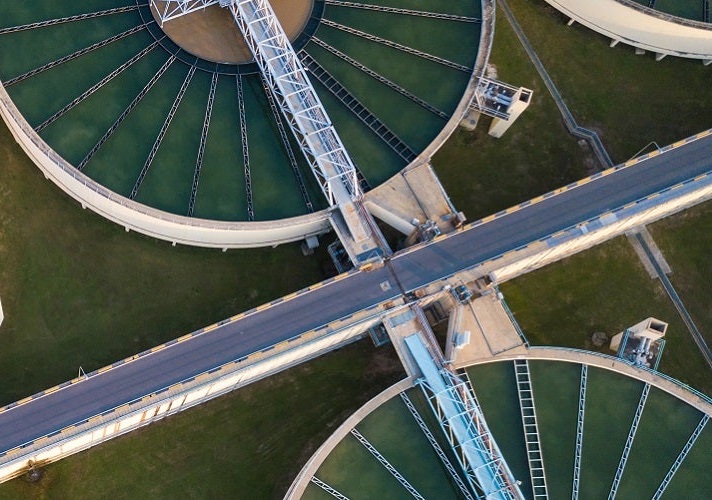
Treated Wastewater Recycling and Reuse
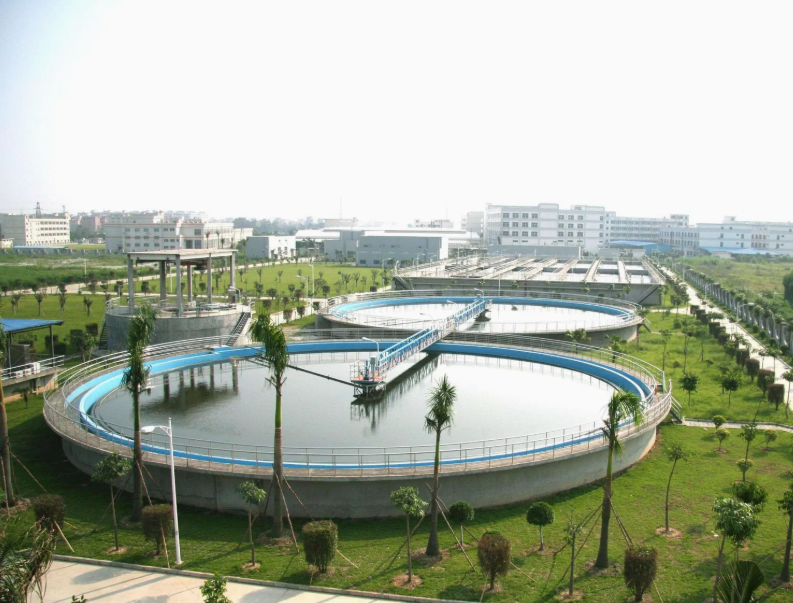
Water recycling, or reuse, is defined as the treatment of wastewater and its reuse for beneficial purposes. Such as agricultural irrigation, industrial processes, and landscape maintenance. This practice has gained significant importance due to its ability to conserve water, reduce costs, and promote sustainability in water management systems. We discussed the importance of biological treatment systems and treated wastewater recycling in a previous article. So this article focuses specifically on treated wastewater recycling.
Benefits of Water Recycling
The benefits of recycling treated wastewater are numerous. It not only helps conserve freshwater but also reduces the environmental impact associated with traditional water supply methods. The energy required for wastewater recycling is significantly less than that required for desalination. Providing a more sustainable solution to water scarcity challenges. Furthermore, advancements in wastewater treatment technologies enable the recovery of valuable resources such as nutrients and energy, contributing to the circular economy.
Health and Safety Considerations
Public health and safety have always been among the most important concerns related to water recycling. However, numerous studies have shown that when recycled water is treated according to strict standards and regulations, no documented cases of health problems resulting from its use have been recorded. Continuous monitoring and improvements in treatment processes are essential to maintaining public confidence and ensuring that recycled water remains a safe and reliable source.
Uses of Recycled Water
Recycled water is primarily used in non-potable applications, meaning it does not involve direct human consumption. Common uses include irrigating parks, golf courses, and agricultural fields. As well as in industrial processes such as cooling water in power plants and oil refineries. Treated wastewater can also be used for flushing toilets and dust control at construction sites, making it a versatile resource across various sectors.
Water Reuse for Drinking and Groundwater Recharge
While most recycling initiatives focus on non-potable uses, several innovative projects utilize recycled water for indirect purposes related to drinking water. This includes groundwater recharge, where treated water is pumped into aquifers to enhance water supplies and mitigate problems such as saltwater intrusion in coastal areas.
General Trends and Challenges
Despite progress, numerous challenges remain in wastewater management. Many facilities face issues such as partial connection to sewer networks, which limits overall efficiency and hinders progress toward achieving the Sustainable Development Goals related to access to clean water and public health. Furthermore, the insufficient utilization of treatment plants and the limited availability of stormwater management technologies present significant obstacles that require addressing to improve water quality.
Future Trends
The biological wastewater treatment market is expected to experience significant growth, with projections indicating an increase in value from US$14.6 billion in 2030 to US$19.5 billion by 2035, representing a substantial portion of total market growth over the next decade.
This growth is expected to be driven by advancements in specialized biological treatment applications, such as membrane bioreactors and advanced nutrient removal systems that take into account the specific characteristics of wastewater. As industries increasingly focus on energy efficiency and water reuse, the integration of circular economy principles will contribute to increased demand for innovative biological treatment solutions in both the industrial and municipal sectors.
The Impact of Population Growth and Water Scarcity
As the world’s population continues to grow, the demand for efficient wastewater treatment facilities is increasing, particularly in urban areas where water scarcity poses significant challenges. The water and wastewater treatment sector is projected to grow from US$323 billion in 2023 to US$536 billion by 2030, representing a compound annual growth rate (CAGR) of 7.5% during this period. This rapid growth underscores the urgent need for efficient treatment solutions capable of addressing the increasing pressure on water resources resulting from population growth and climate change.
Technological Innovations
Emerging technologies are expected to play a crucial role in addressing the current water crisis. Technologies such as hybrid systems, which combine traditional methods like activated sludge with advanced technologies like electrochemical treatment and nanotechnology, are gaining increasing traction. These systems are effective in reducing pollutant levels and recovering valuable resources from wastewater, offering a holistic approach to water management. The use of environmentally friendly and efficient membrane technology is also increasing, particularly in applications including air pollution control and medical treatments.
Strategic Collaboration
Strategic partnerships between technology providers and the industries that use them are growing. As stakeholders seek to leverage expertise and resources to innovate in biological treatment methods. Collaboration aimed at improving treatment processes and developing new applications is likely to lead to breakthroughs in the efficiency and effectiveness of wastewater management practices. Ensuring that the growing needs of the population are met while preserving the environment.
Operational Efficiency and Technical Precision in Water Treatment
Transitioning from a traditional to an advanced treatment system requires a deep understanding of the chemical and physical properties of water. Our solutions at CAREWATER are based on meticulous engineering, starting with organic load analysis (BOD & COD) and the design of customised treatment systems that ensure stable water output under various operating conditions. We don’t just offer plants; we provide solutions based on membrane bioreactor (MBR) and ultrafiltration technologies, guaranteeing the removal of microscopic contaminants with an efficiency of up to 99.9%.
Integrated Solutions and After-Sales Services: Ensuring Sustainability
Our organisation understands that building a treatment plant is just the beginning; true success lies in continuous performance. Therefore, we have designed our after-sales service system to be the cornerstone for our clients. Our services include:
- Preventive maintenance contracts: to minimise downtime and ensure equipment efficiency.
- Immediate supply of spare parts and consumables: including high-quality membranes, filters, and chemicals.
- Regular monitoring and analysis: to ensure water meets stringent environmental and health standards.
Why choose to partner with CAREWATER?
In light of current water challenges, organisations are seeking a technology partner that combines quality with low operating costs. We excel at providing comprehensive solutions encompassing design, installation, and operation. With a full commitment to training your technical staff on best practices in water management. Investing in our systems is not merely about complying with environmental regulations. It’s a step towards reducing operating costs by minimising freshwater consumption and efficiently recycling resources.
Conclusion: Your Strategic Partner for a Sustainable Water Future
In conclusion, water recycling is no longer a secondary environmental option but a fundamental pillar for ensuring business continuity and reducing operating costs amidst increasing water scarcity. Success in this transformation depends not only on equipment installation. But also, and more importantly, on selecting the precise technology that best suits your wastewater conditions. And ensuring the sustainability of these systems through professional maintenance and ongoing technical support.
At CAREWATER, we offer you our extensive experience in providing integrated water treatment solutions. From engineering design based on the latest scientific standards to after-sales services. That guarantees your systems remain at peak operational efficiency. Our commitment to our clients goes beyond mere supply; we act as a technology partner. It is striving to maximise the value of every drop of water while ensuring full compliance with environmental and health standards.
Today, we invite you to take the first step towards smart and sustainable water management. Our technical team is fully prepared to provide expert consultations and innovative solutions that meet your facility’s needs and ensure your leadership in your sector.