

Why the Pre-Chlorine Dosing Unit is the First Safety Valve in the Plant
Having discussed the physical and mechanical treatment stages within greywater treatment plants in our previous articles, we now arrive at the first chemical defense point: the Pre-Chlorine Dosing Unit. This unit is a vital and indispensable component for ensuring the safety of the entire system. Because we understand that the efficiency of this stage depends entirely on the accuracy and efficiency of the equipment, our role extends beyond simply providing technical guidance. We are your strategic partner in supplying the highest quality original spare parts, guaranteeing precise dosing, safe operation, protection of subsequent equipment, and sustained performance without unexpected breakdowns.
The Concept of Chlorination and the Chemical Reaction
Water chlorination is one of the many methods used to disinfect water. It is the process of adding various types of chlorine (Cl₂) or hypochlorite to water to oxidize and disinfect the drinking water source. Any type of chlorine added to water during the treatment process results in the formation of two main compounds:
- Hypochlorous acid (HOCl)
- Hypochlorite ions (OCl-)
These two compounds are primarily responsible for the disinfection and sterilization process in chlorinated water.
Mechanism of Contaminant Elimination
Chlorine inactivates microorganisms, bacteria, and viruses by damaging their cell membranes. Once the cell membrane is weakened, chlorine can enter the cell and disrupt its respiration and DNA activity (both processes essential for cell survival). The amount of chlorine needed to disinfect water depends on the impurities present. Many impurities in water require a large amount of chlorine to react with all the impurities present. Chlorination is the process of adding chlorine to water as a means of purifying (disinfecting) it to make it suitable for human consumption. Chlorinated water is effective in preventing the spread of diseases.
Injection Techniques and Precise Monitoring
Chlorination is primarily used in systems where the point of application is far from the source or when using storage tanks. A chlorine dosing pump adds a carefully measured amount of diluted chlorine to the system as the water passes through the tank. A variety of chemicals can be pumped:
- Chlorine gas
- Electrochemically generated chlorine
- Sodium hypochlorite
- Calcium hypochlorite
Importance of monitoring: The amount of chlorine in the water must be constantly monitored to ensure it remains within recommended limits. Too little will not eliminate all contaminants, while excessive amounts can be harmful to human health.
Economic and operational advantages (residual chlorine)
Chlorination is relatively inexpensive and easy to implement compared to other water disinfection methods. It is effective against almost all types of bacteria and viruses, as well as algae, fungi, and some minerals and man-made chemical contaminants. As with main drinking water, a small amount of disinfectant is usually intentionally left in the water at the end of the treatment process (“residual chlorine”) to minimize the risk of recontamination in the distribution system. Additionally, chlorine also oxidizes any iron, manganese, or hydrogen sulfide present, so these can also be removed during the sedimentation and filtration stages.
Historical Overview
Chlorination was first used over a century ago in Great Britain, then spread to the USA in 1908 and Canada in 1917. Today, chlorination is the most common disinfection method used for water treatment worldwide.
The introduction of chlorine dosing systems allowed for precise control of chlorine levels in distributed water. Facilitating the creation of free chlorine residues effective against most bacteria while remaining safe for human consumption when properly managed. The chlorination process has undergone numerous advancements throughout its history. With the development of sophisticated dosing equipment designed to ensure accurate and safe chlorine application. These systems have enhanced the efficiency of water treatment processes and played a crucial role in combating waterborne pathogens, ultimately leading to improved public health outcomes.
Components of a Pre-Chlorine Dosing Unit
Overview of a Chemical Dosing System
A chemical dosing system, also known as a chemical feeding system, is an integrated unit designed for the precise dosing, mixing, conveying, and automated control of chemicals within water treatment processes. The main components of this system include a polyethylene (PE) tank, a metering pump, a mixer, and an automated control system. All working together to ensure the accurate application of chemicals.
Polyethylene Tank
The polyethylene tank is the primary storage unit for the chemical being dosed. It is designed to contain the liquid chemical and is essential for maintaining the necessary supply during the dosing process. The material must be corrosion-resistant and leak-proof, ensuring the chemicals remain safe and uncontaminated.
Metering Pump
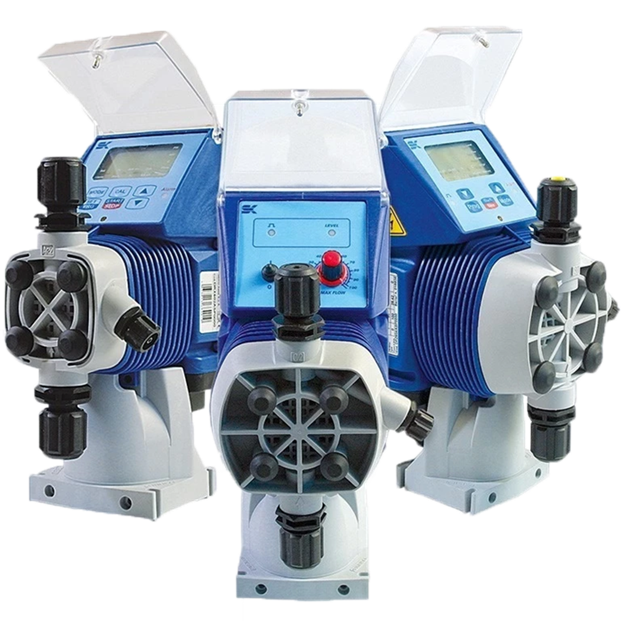
The metering pump is an integral part of the dosing system and is responsible for precisely controlling the flow rate of the chemical into the wastewater treatment stream. This component must be calibrated according to the required dosing rate to ensure the correct amount of chemical is added. Regular monitoring and maintenance of the pump are essential to mitigate the risk of leaks or malfunctions; please refer to the accompanying instructions.
Mixer
The mixer is responsible for mixing the chemical with water before it is introduced into the wastewater treatment system. This ensures the chemical is evenly distributed and maximizes its effectiveness in water treatment. The efficiency of the mixer can significantly impact the overall performance of the dosing system, making it a crucial element that should be regularly evaluated.
Automated Control System
The automated control system regulates the operation of the metering pump and mixer. Providing real-time adjustments based on the specific requirements of the water treatment process. The system monitors variables such as flow rates and dosing quantities, helping to maintain accuracy and consistency. This system is essential to ensure that chemical dosing responds dynamically to changes in water quality and demand.
Applications of Pre-Chlorine Dosing Units
Water Treatment
Pre-chlorine dosing units play a critical role in municipal drinking water treatment processes, ensuring safe and effective disinfection of drinking water. These units produce sodium hypochlorite or chlorine on-site, providing a stable supply that meets EPA wastewater standards. By using on-site generation, facilities can minimize supply chain disruptions and reduce the risks associated with handling chemicals, thus improving operational safety and overall reliability.
Industrial Applications
In industrial applications, pre-chlorine dosing units are essential for maintaining water quality in various production processes. Industries such as petrochemicals, food and beverage, and pharmaceuticals require sterile water for cooling, rinsing, or as a component in formulations. Using on-site chlorination systems helps control pathogens in these processes, supporting healthy environments and reducing the risk of contamination.
Agriculture and Irrigation
In agriculture, water quality is critical for crop productivity and soil health. Chlorine pre-dosing units help control pathogens in irrigation systems. Ensuring the cleanliness and safety of water used for crops and livestock. This contributes to healthy growing conditions and reduces the risk of disease spread among livestock and crops. Thus, enhancing agricultural productivity and sustainability.
Healthcare Facilities
Healthcare facilities rely on chlorine pre-dosing units to maintain high standards of water quality for patient care and sanitation. Effective chlorination of water used in these environments is vital to preventing the spread of infection and ensuring the safety of patients and staff. On-site chlorination provides a pure, low-concentration disinfectant that complies with health regulations and standards.
Greywater Treatment and Reuse
In greywater treatment plants, pre-chlorination units are a vital component for successful water reuse. Their primary role is to combat biofouling caused by bacteria and algae. That proliferates rapidly in water with a high organic load. By adding chlorine in the initial stages, membranes, microfilters, and subsequent equipment are used. These are protected from damage or clogging, significantly reducing the need for backwashing and costly chemical maintenance. This initial disinfection ensures that the treated water, intended for unrestricted irrigation, cooling, or cleaning, has a safe microbiological quality and meets environmental and health standards. Thus supporting the water sustainability of facilities and projects.
Environmental Protection
Pre-chlorination units also play a crucial role in wastewater treatment and environmental protection. By ensuring that treated water is free of harmful microorganisms before being discharged back into natural water bodies. These systems help protect aquatic ecosystems and preserve biodiversity. This is particularly important given the increasing regulatory pressures many municipalities face regarding water quality and environmental protection.
Read more about the challenges of chemical injection pumps in water treatment.