

Fire Risk Management in Shopping Centers: An Analysis of Challenges and Lessons Learned from Real-World Experience
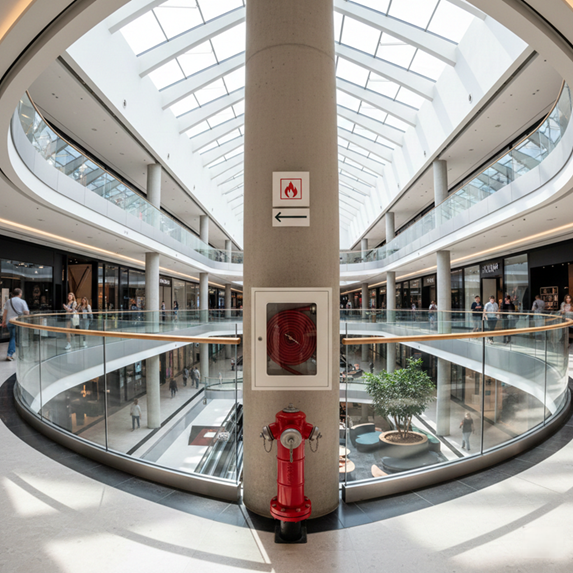
Managing fire risks in the design of fire hydrant systems for modern shopping centers involves addressing several key challenges and considerations to ensure safety and efficiency. Ensuring adequate emergency exits in the event of a fire is one of the main challenges facing architects. Fire safety design must facilitate safe evacuation while adhering to local regulations and standards.
Cost-Effectiveness and Insurance Benefits
Investing in fire hydrant systems can reduce insurance premiums for property owners, as insurers typically offer discounted rates for properties that prioritize fire safety. Regular maintenance also reduces insurance premiums for property owners who prioritize fire safety. This often requires careful planning and detailed analysis of how fires start and spread, as well as the development of smoke management strategies. Architects must also consider integrating fire hydrants into the building design, ensuring they are easily accessible and can be used effectively by emergency personnel.
Integrating Fire Safety Systems
Modern architectural designs often prioritize open and flexible spaces, which can sometimes conflict with traditional fire safety requirements. Designers must balance aesthetic goals with practical fire safety needs. For example, the design of fire-resistant walls and automatic suppression systems must consider both aesthetic appeal and functionality during emergencies. Furthermore, these systems must be regularly monitored and inspected to ensure they meet operational standards, as outlined in regulations such as NFPA 72.
Maintenance and Inspection
Continuous maintenance and inspection of fire hydrant systems are crucial to their reliability. Periodic testing is mandatory, and meticulous maintenance records must be kept to track the status of each hydrant. Any faulty hydrant must be clearly marked and promptly repaired to prevent accidental use. This requires a dedicated maintenance program and often presents a logistical challenge for mall operators who must coordinate inspections and repairs within a busy commercial environment.
Public Interaction and Safety
Another consideration is public interaction with fire safety infrastructure. While traditional safety features are sometimes perceived as obstacles, there is a growing focus on redesigning them to enhance the user experience. By reconsidering the potential of fire safety elements, designers can create environments that not only prioritize safety but also encourage positive public engagement. This involves reimagining how these systems are integrated into the overall design of the shopping center, ensuring they contribute to a welcoming atmosphere while fulfilling their vital safety functions.
Read also: Fire Hydraulics: The Most Important Investment in Modern Shopping Center Design
Future Trends
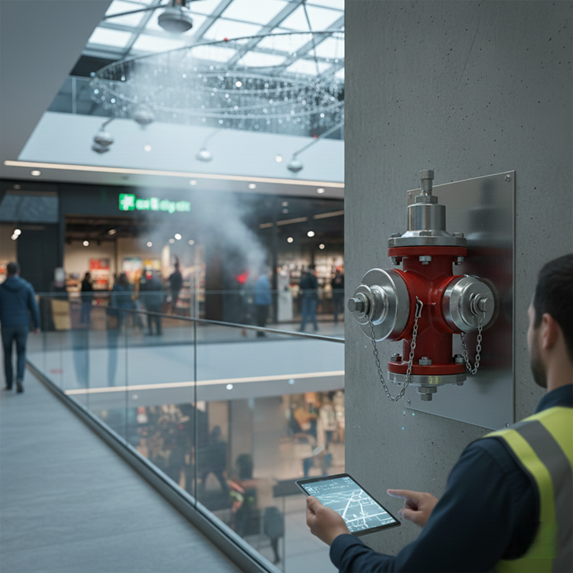
As the design and functionality of shopping centers evolve, the integration of fire hydrants into modern architecture is expected to undergo a significant transformation. By 2025, the trend points to a strong movement toward integrating smart technology into indoor fire hydrant systems. These advancements include IoT-enabled devices that provide real-time status updates, predictive maintenance alerts, and enhanced monitoring capabilities. This transformation not only improves safety but also simplifies maintenance processes, addressing previous concerns about the effectiveness and upkeep of fire safety equipment. Furthermore, with increasing population density in urban areas, the need for more regulated systems is growing.
Regulatory pressures will continue to drive the adoption of indoor fire hydrants. The pursuit of resilient infrastructure is expected to make these systems a key feature in many new and retrofit construction projects, particularly in densely populated areas where the risk of fire is amplified.
The Need for Fire Safety Solutions
This trend underscores the need for fire safety solutions that prioritize both effectiveness and compliance with evolving safety standards. In addition to technological advancements, the design and application of fire hydrants are being reimagined. Innovative concepts, such as public watering stations, are being explored to transform traditional fire hydrants into multi-functional urban fixtures serving both emergency and everyday use.
This dual function not only fosters community engagement but also encourages sustainable practices by reducing reliance on single-use plastic water bottles. Ultimately, as the fire safety landscape continues to evolve… The strategic integration of indoor fire hydrants will play a pivotal role in ensuring safety, efficiency, and sustainability in the design of modern shopping malls, reinforcing their importance as an investment in the built environment.
Controversies surrounding fire hydrants in shopping mall design often arise from the challenges of ensuring easy access, complying with evolving safety standards, and the logistical difficulties associated with ongoing maintenance and inspection.
Furthermore, with architectural trends emphasizing open and flexible spaces, integrating fire safety systems while maintaining aesthetic appeal presents a complex challenge for designers.
Overall, the role of fire hydrants in shopping malls represents a vital investment in protecting lives and property. Emerging trends point toward integrating smart technologies and innovative designs that enhance their functionality in urban environments. The continuous evolution of fire safety strategies will continue to shape the role of fire hydrants in modern shopping mall architecture, further enhancing their importance. These are indispensable assets for achieving public safety.
Case Studies
Fire Safety Overview in Modern Shopping Centers
Recent studies have emphasized the crucial role of fire safety management in large shopping centers, particularly those constructed within the last four years. A qualitative approach was used to gather information on fire safety practices in various shopping centers, focusing on their location, reputation, size, and the variety of goods and services they offer. The results indicated that many of these facilities are at risk of catastrophic fires due to inadequate implementation of effective fire safety measures, such as fire safety training and the provision of firefighting equipment.
Analysis of Fire Incidents
Mobita and colleagues conducted an important case study examining fire safety management strategies in selected markets in Lusaka. They revealed that many shoppers had previously experienced the negative consequences of fires. Effective fire safety strategies were not prioritized, reinforcing the idea that inadequate safety measures significantly increase the risk of devastating incidents in commercial spaces.
A review of case studies related to fires in retail buildings and shopping centers reveals that hidden spaces within these buildings often contribute to the spread of fires. When fires break out in these areas, they can spread rapidly and pose greater threats to life and property. Appropriate fire safety designs and systems can mitigate these risks by addressing the unique challenges posed by the design and construction of modern shopping centers.
Conclusion
In our ongoing commitment to upholding these standards, the CareWater Foundation is proud to offer a selection of the finest fire hydrants and valves, designed using the latest global technologies. Our valves adhere to the highest standards of durability and compliance with international regulations, ensuring immediate response and absolute reliability in emergencies. They form the cornerstone upon which engineers and investors rely to secure modern shopping centers.