


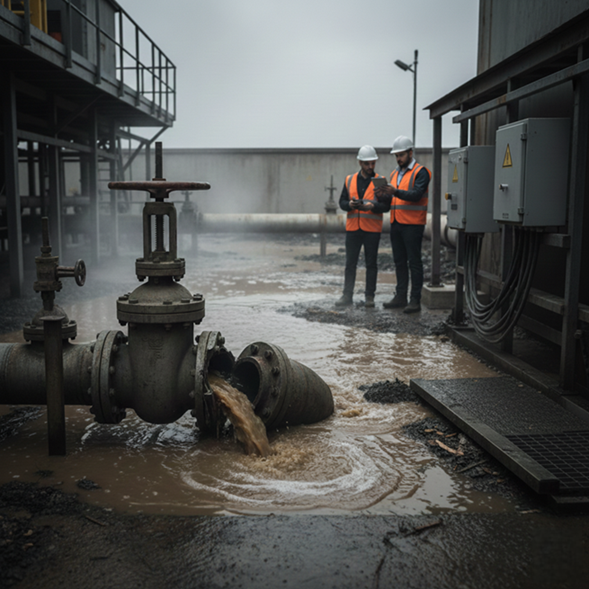
Consequences of Various Valve Failures
Control valves and their mechanical actuators are the lifeblood of water treatment plants; they are responsible for regulating flow and ensuring the accuracy of chemical treatment. However, this vital role means that even a minor valve malfunction can trigger major operational and environmental crises. The consequences of valve failures extend beyond mechanical maintenance to include direct threats to public health, significant economic losses, and legal challenges with regulatory bodies. This article examines the risks associated with the failure of these systems and how to develop preventative strategies to ensure the sustainability of plant operations.
Safety Risks
A valve failure can compromise water quality by allowing backflow, introducing contaminants into the clean water supply. This, in turn, can significantly endanger public health, as backflow incidents can draw contaminants from the distribution network or surrounding environments into the drinking water supply. Regulatory bodies may require enhanced monitoring and remediation procedures to mitigate the effects of these incidents, further straining the resources of water treatment plants.
Operational Efficiency
Inadequate valve performance can lead to decreased operational efficiency and increased maintenance requirements. When valves malfunction, leaks and flooding can occur, necessitating frequent repairs—all of which contribute to reduced treatment efficiency. Furthermore, if these issues are not addressed, they can escalate into serious system failures, further complicating the operating environment of water treatment plants.
Economic Impacts
The economic repercussions of valve failures extend beyond immediate repair costs. Plants often experience increased energy consumption and potentially costly downtime due to safety incidents related to valve malfunctions. In competitive industries, these factors can significantly impact plant profitability, making reliable valve systems a crucial investment despite their high initial costs.
Prevention and Maintenance
Effective prevention and maintenance strategies are essential to ensure the reliability and longevity of valves in water treatment plants. Comprehensive maintenance programs should include periodic inspections, predictive maintenance, and advanced monitoring technologies to prevent failures and optimize performance.
Read also: The Importance of Valve Maintenance in Treatment Plants as a Cornerstone of Operational Efficiency
Predictive Maintenance Techniques
Predictive maintenance utilizes condition monitoring techniques to identify potential problems before they lead to valve failures or performance degradation. Using techniques such as vibration analysis and acoustic monitoring, facilities can detect early warning signs of equipment wear and intervene before problems worsen. Scheduling valve rebuilds based on operating hours or cycles also helps prevent catastrophic failures.
Effective Inspection and Testing Protocols
Regular inspections are essential to identify early signs of wear or valve failure. Comprehensive preventive maintenance procedures should include thorough visual inspections of critical components such as actuator diaphragms, springs, and valve stems.
Lubricating moving parts according to the manufacturer’s specifications is also crucial to prevent friction-related issues that can impair control performance and lead to component failure. Documenting inspection results creates valuable historical records that help identify recurring problems and guide future maintenance decisions.
Read also: Emergency Response and Repair Protocols in Case of Maintenance Neglect
Integration of Smart Actuators and Remote Monitoring
The integration of smart actuators and remote monitoring systems enhances the ability to efficiently manage valve condition. Technologies such as closed-circuit television (CCTV) cameras, when combined with alarm systems, enable proactive monitoring of valve condition, facilitating early detection of potential damage. This allows station operators to respond quickly to alarms, minimizing downtime and ensuring a continuous flow of clean and safe water. Furthermore, standardized cleaning procedures help maintain valve integrity during maintenance operations, reducing the risk of damage.
Training and Skills Development
Investing in maintenance personnel training is essential for the successful implementation of maintenance strategies. Comprehensive training programs should cover valve principles, maintenance procedures, and troubleshooting techniques to ensure staff are equipped with the necessary skills to perform maintenance activities accurately and efficiently. Encouraging staff to pursue specialized valve certifications can enhance their expertise, contributing to improved overall system performance and reduced operational disruptions. By implementing these strategies, water treatment plants can significantly extend the lifespan of their valves, reduce the risk of unexpected failures, and enhance operational efficiency.
Case Studies
Case studies of valve failures in water treatment plants highlight the significant impact these failures have on system performance, regulatory compliance, and the community. These studies provide real-world examples that underscore the importance of proper valve management and maintenance.
Municipal Systems
A notable case is that of the Lower Valley Water District, where vandalism caused extensive damage to valve boxes, resulting in service interruptions for residents of Horizon, Texas. This incident illustrates how external factors, such as vandalism, can create operational challenges, leaving communities without clean water and incurring significant repair costs.
Maintenance Protocols
The importance of preventative maintenance is demonstrated through comprehensive maintenance procedures that include periodic inspections of valve components, such as actuator diaphragms, springs, and valve stems. Detailed documentation of these inspections can help in identifying recurring problems and guiding future maintenance decisions. For example, CEPAI’s rigorous testing protocols ensure that control valves meet the necessary standards, particularly in critical applications across various industries.
Backflow Incidents
Another area of concern is backflow incidents, which can contaminate drinking water sources. Documented case studies in the industry literature demonstrate how these incidents arise from improperly maintained systems. These examples highlight the need for stringent backflow prevention measures and standardized cleaning procedures to ensure consistent operational outcomes and minimize risks during maintenance.
Regulatory Compliance Challenges
With increasingly stringent regulatory requirements, particularly concerning emerging contaminants such as pharmaceuticals and microplastics, case studies indicate that non-compliance can lead to serious consequences, including costly cleanups and public safety concerns. The risks for facilities that fail to adhere to environmental regulations extend beyond financial penalties; they also jeopardize public health, as demonstrated in studies focusing on hazardous materials management.
Technological Innovations
Technological advancements in valve automation have proven beneficial in preventing valve failures. For example, the smart valve systems implemented in Singapore’s flood management strategies have demonstrated their effectiveness in controlling water flow in real time, reducing the likelihood of flooding and infrastructure damage during heavy rainfall. These innovations offer valuable lessons for other cities facing similar water management challenges.
Conclusion
The gate valve failure incident at the treatment plant is not an isolated event, but a stark reminder of the importance of micro-infrastructure. Valves and their actuators are the silent guardians of our water and environmental health. Investing in high-quality valves, implementing rigorous preventative maintenance programs, and utilizing modern performance monitoring technology are not luxuries but essential for ensuring the sustainability of life in our cities. The efficiency of any water treatment plant is measured not only by the size of its basins but also by the reliability of the valves that control every drop of water passing through them.