

How does a wastewater treatment plant represent a long-term investment?
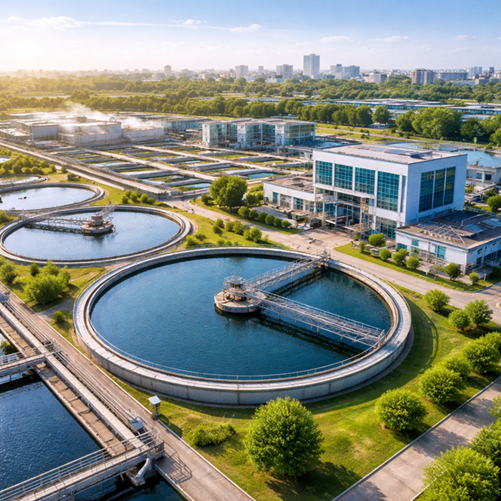
A wastewater treatment plant is a vital infrastructure facility that plays a pivotal role in ensuring the provision of clean and safe water to communities, making it a significant long-term investment in public health and environmental sustainability. The benefits of these plants extend beyond treating municipal and industrial wastewater; they also contribute to the prevention of waterborne diseases, promote public health, and stimulate economic growth by providing reliable water supply and sanitation services. The economic viability of investing in wastewater treatment plants is typically assessed using financial indicators such as Net Present Value (NPV) and Internal Rate of Return (IRR), which help stakeholders evaluate the potential return on investment and the overall long-term viability of these projects.
Investing in wastewater treatment facilities yields multiple benefits, including direct improvements in health, increased economic productivity, and environmental protection. Efficient wastewater treatment plants reduce the spread of waterborne diseases, enhance community well-being, lower healthcare costs, and promote economic stability.
In addition, these plants contribute to job creation and stimulate local economies by improving access to and quality of water, which is crucial for both residential and industrial users. However, the large initial capital investments and operating costs associated with constructing and maintaining these facilities present significant challenges, particularly in areas with aging infrastructure and financial constraints.
The environmental impacts of water treatment plants are also critical, as these plants are designed to reduce pollution and protect ecosystems. By preventing harmful pollutants from entering natural water bodies, water treatment plants contribute to the conservation of aquatic habitats and enhance climate change resilience through improved water management practices.
Economic Considerations
The economic viability of investing in water treatment plants is assessed using several financial indicators, with a primary focus on Net Present Value (NPV), Internal Rate of Return (IRR), and Cost-Benefit Analysis (CBA). These methods help stakeholders understand the financial implications of water infrastructure investments and their potential return on investment over time.
Net Present Value and Internal Rate of Return
Net Present Value (NPV) and Internal Rate of Return (IRR) are two crucial metrics used to assess the profitability of water treatment projects. NPV calculates the difference between the present value of cash inflows and outflows, helping to determine whether a project will generate a positive return. IRR, on the other hand, is the discount rate that makes a project’s NPV zero, providing insight into the project’s efficiency in generating returns relative to its costs. These techniques are particularly important for large investments, where detailed calculations are essential to justify financial decisions.
Cost-Benefit Analysis Approaches
In the context of water treatment investments, cost-benefit analysis can take two main forms. The first approach involves a detailed examination of various sources of benefit, including health benefits, time savings, and cost reductions for water service consumers. This method provides a clearer understanding of how investments in water infrastructure contribute to boosting real income and generating additional economic activity through increased production and employment opportunities. The second approach combines all specific benefits into a single indicator, focusing on changes in consumer surplus, which simplifies analysis for smaller projects.
Economic Impacts
Investing in water infrastructure not only improves direct service delivery but also generates indirect and induced economic benefits. These benefits arise from increased spending by businesses directly affected by the investment and can lead to greater economic activity in the community. For example, improved water supply stimulates local business growth, employment opportunities, and investment, particularly in areas with existing economic constraints.
Capital Investment and Operating Costs
The initial capital required to build new treatment plants or expand existing ones can be substantial, often reaching billions of dollars. Many industrial companies face challenges in securing this investment due to volatile commodity prices and a tendency to prioritize capital for core business improvements over water treatment.
Consequently, companies may prefer to extend the lifespan of existing plants rather than invest in new technologies, highlighting the need for a strategic capital budget that considers both current and future operating economies.
Long-Term Financial Planning
Effective financial management of wastewater treatment plants requires accurate budgeting and long-term planning. Organizations should allocate budgets to specific items—such as infrastructure, labor, and maintenance—taking inflation and future costs into account. Establishing savings and capital expenditure reserves is crucial to mitigating financial risks associated with unforeseen emergencies or fluctuations in operating costs.
Read also: Greywater and Mega-Projects: How Greywater Treatment Turns Sustainability into Investment Profit?
Environmental Impact
Water treatment plants play a vital role in reducing environmental degradation, promoting public health, and enhancing the resilience of ecosystems. Their operations not only ensure the removal of harmful pollutants from wastewater but also contribute to broader environmental and social outcomes.
Pollution Reduction
One of the core functions of Water treatment plants prevent pollutants from entering natural water bodies. For example, effective wastewater treatment removes major pollutants such as oils, solvents, and heavy metals, reducing the risk of environmental pollution and protecting aquatic habitats and human health.
This proactive approach is essential for preventing waterborne diseases by removing biological contaminants such as bacteria and viruses, thus protecting public health.
Ecosystem Services
Healthy watersheds, supported by effective water treatment systems, provide numerous ecosystem services that benefit both the environment and the economy. These services include nutrient cycling, carbon storage, and flood control, all of which are vital for maintaining biodiversity and enhancing resilience to climate change. For example, landscapes can filter pollutants and improve water quality, leading to a significant reduction in drinking water treatment costs.
Climate Resilience
Water treatment plants also enhance communities’ resilience to climate change by addressing water scarcity and improving water management practices. Investments in modern infrastructure, such as pipelines and efficient treatment plants, can significantly reduce water loss, ensuring a reliable water supply even under extreme weather conditions like droughts and floods.
Furthermore, protecting and restoring watersheds can mitigate the effects of flooding and enhance groundwater recharge, which is crucial for maintaining stable water supplies during climate disruptions.
Sustainability and Resource Efficiency
Water treatment plant operations are increasingly aligned with sustainability goals, with a focus on resource and energy efficiency. Companies operating in the water treatment sector are evaluated based on their commitments to reducing their environmental footprint, such as minimizing water loss and improving the energy efficiency of their operations.
This approach not only addresses water quality concerns but also contributes to long-term environmental sustainability by advocating for reduced carbon emissions and innovation in water management technologies.
Regulatory Compliance and Sound Environmental Management
Adherence to regulatory standards is essential to ensuring the efficient and sustainable operation of water treatment plants. Agencies such as the Environmental Protection Agency (EPA) enforce regulations that limit the environmental impact of water treatment practices, ensuring that operations do not harm the health of the ecosystem. By adhering to these standards, water treatment plants not only avoid penalties but also play a pivotal role in maintaining water quality and promoting ecological balance.
Social Benefits
Water treatment plants play a crucial role in improving public health and the overall well-being of communities. Providing clean water directly contributes to reducing waterborne diseases, such as cholera and dysentery, which are prevalent in areas lacking adequate sanitation systems. By improving water quality, treatment plants not only protect the health of individuals but also reduce healthcare costs for both governments and citizens, thus promoting economic stability within communities.
Improved Public Health
The relationship between access to clean water and public health is very close. Improving water supply and sanitation significantly reduces the incidence of waterborne diseases, leading to healthier communities and higher levels of productivity. In addition, effective water resource management reduces the burden of disease, leading to significant savings in healthcare costs and a healthier workforce.
The benefits extend beyond individual health; healthier communities are better positioned to contribute to economic growth and social stability.
Economic and Productivity Gains
Beyond the direct health benefits, water treatment plants stimulate local economies by boosting productivity. When communities have reliable access to clean water, time previously wasted fetching water or addressing health issues is saved, allowing individuals to engage in productive economic activities. This time-saving translates into increased wages and economic output, making investments in water infrastructure economically viable in the long run.
Furthermore, improved sanitation facilities from water treatment plants generate indirect economic benefits by creating jobs in system installation, maintenance, and operation. These jobs not only provide direct employment but also stimulate local economic growth through increased spending and economic activity in surrounding communities.
Community Well-being and Environmental Management
On a social level, the construction of wastewater treatment plants improves the quality of life for the community. Reliable access to sanitation services also promotes environmental management and sustainable development by protecting local ecosystems and water sources from pollution.
Healthy watersheds, supported by effective water management practices, provide essential ecosystem services that benefit both the environment and community well-being, highlighting the multifaceted social benefits of investing in wastewater treatment infrastructure.