

Challenges of Preventive Maintenance at Water Treatment Plants and How to Overcome Them
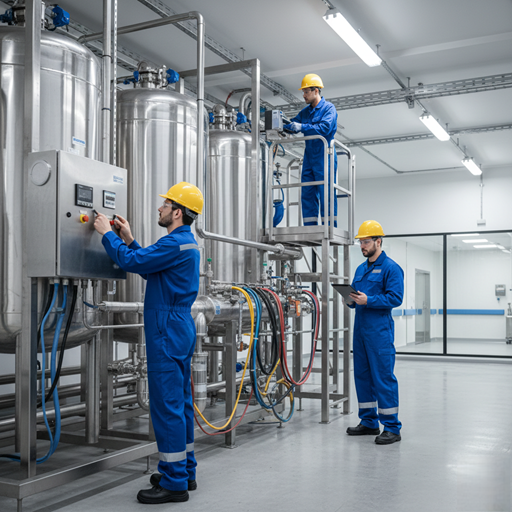
Preventive maintenance at water treatment plants faces a range of challenges that can affect the effectiveness of maintenance programs and overall operational efficiency. These challenges often stem from budget constraints, aging infrastructure, and technological limitations. Water treatment plants are the lifeblood that ensures the flow of safe water to communities and protects ecosystems from pollution. However, the continuation of this pivotal role depends entirely on the effectiveness of preventive maintenance. Currently, the water treatment sector faces significant challenges that hinder the implementation of optimal maintenance programs. These challenges range from severe budget constraints imposed by local authorities and aging infrastructure, which in some areas has exceeded its lifespan by decades, to technological gaps and a shortage of qualified technical personnel.
An important article explaining: The Role of Maintenance in Reducing Future Repair Costs at Water Treatment Plants
Neglecting these challenges not only leads to sudden breakdowns but also to operational disasters that drastically increase repair costs and threaten public health. However, overcoming these obstacles is not impossible. The solution lies in adopting proactive strategies based on digital transformation, such as integrating computerized maintenance management systems (CMMS) and Internet of Things (IoT) technologies, in addition to investing in human capital through continuous training. This article aims to highlight the most prominent challenges facing water treatment plant maintenance, while reviewing practical solutions and innovative practices that ensure increased operational efficiency and extended lifespan of vital assets, thus achieving the principle of water sustainability in the face of escalating global crises.
Budget Constraints
One of the most significant challenges facing many water treatment plants is the financial pressure they face. Local authorities often impose restrictions that require these plants to maintain low prices, leading to a lack of funding for essential maintenance and upgrades. As a result, plants may postpone necessary maintenance, ultimately incurring substantial repair costs in the future.
Outdated Infrastructure
The aging infrastructure of many water treatment plants is another major challenge. Many systems were designed and built more than a century ago, and as these systems approach the end of their lifespan, the risk of failure increases.
The need to upgrade infrastructure can lead to additional financial burdens, particularly for smaller facilities that lack the resources to modernize their equipment and technology. Without adequate upgrades, these facilities may struggle to meet contemporary requirements, resulting in decreased operational efficiency and service quality.
Technological Limitations and Staffing Issues
Many facilities also suffer from technological limitations, hindering their ability to implement effective preventive maintenance practices. Budgetary constraints may prevent the acquisition of modern automated systems that could alleviate staffing shortages and improve performance.
Operational Capabilities
Furthermore, plant operators often require a diverse skill set to effectively manage preventive maintenance tasks, including technical knowledge of equipment and familiarity with safety protocols. Ongoing training and development is crucial. However, many facilities may lack the resources to provide this training regularly.
Operational Challenges
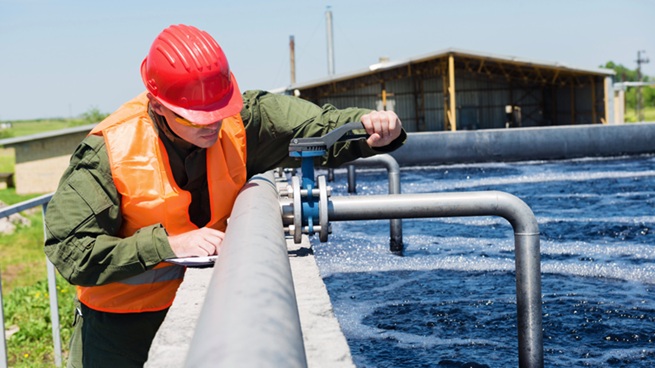
Operationally, the success of preventive maintenance programs depends on regular inspections and adherence to maintenance schedules. However, inconsistent implementation can lead to overlooked issues that escalate into significant problems. A preventive maintenance checklist can help ensure tasks are completed systematically. However, the absence of such standardized processes can hinder maintenance efforts. Furthermore, effective communication regarding maintenance needs and performance feedback among team members is vital but often neglected in many facilities.
Read also: Preventive Maintenance Steps for Water Treatment Plants
How to Overcome Preventive Maintenance Challenges
Implementing a Preventive Maintenance Program
Performing periodic maintenance at water treatment plants is crucial for ensuring environmental safety and public health. Regular inspections and maintenance help identify potential problems before they escalate, thus maintaining the safety and quality of water treatment processes.
This proactive approach not only extends the lifespan of water treatment systems but also reduces the risk of contamination and ensures compliance with health and environmental regulations. By addressing these issues systematically, plants can significantly contribute to protecting public health and preserving ecosystems.
Establishing a Periodic Maintenance Schedule
The key to effective preventive maintenance at water treatment plants lies in establishing a periodic maintenance schedule. This schedule can be developed through various approaches, including periodic maintenance. This involves performing maintenance activities at predetermined intervals to ensure optimal system performance and extend equipment lifespan. Clearly defining maintenance tasks, specifying the frequency of each task, and the responsible parties, is essential to avoid missed deadlines and ensure timely maintenance of all components.
Documenting Maintenance Activities
Accurate documentation of maintenance activities and evaluation results is critical. Maintaining up-to-date records allows facilities to identify trends, assess performance, and ensure compliance with regulatory requirements. Documentation is not only vital for operational purposes but is also necessary to meet environmental regulations and discharge permit requirements, thereby protecting public health and environmental safety.
Staff Training and Awareness
Regular training and certification for maintenance staff are essential components of an effective preventive maintenance strategy. Ensuring all staff are trained to identify and promptly address maintenance issues can significantly reduce the risks associated with equipment downtime. Training programs should include safety protocols, regulatory compliance, and best practices in maintenance techniques. Furthermore, quickly mobilizing staff to perform urgent repairs helps maintain operational efficiency and minimize downtime.
Implementing Proactive Measures
To mitigate the risks of maintenance delays, water treatment plants should adopt proactive measures. This includes conducting regular inspections, implementing comprehensive maintenance schedules, and fostering a culture of accountability among staff. By encouraging employees to take ownership of maintenance tasks and promptly report problems, facilities can improve operational efficiency and extend the lifespan of critical infrastructure.
Utilizing Technology in Maintenance Scheduling
Technology can be integrated into the scheduling process to streamline maintenance operations. Advanced software solutions enable scheduling based on specific criteria such as date, operating hours, or mileage, allowing facilities to design customized maintenance plans to meet their operational needs. In addition, continuous monitoring systems can be used to detect any deviations from normal operating parameters, facilitating timely intervention before problems escalate.
Cost-Benefit Considerations
When developing a preventive maintenance program, organizations should conduct a cost-benefit analysis to understand the financial implications of maintenance activities. This includes assessing the current condition of equipment, identifying areas for improvement, and aligning the maintenance plan with the organization’s objectives and budget. By prioritizing preventive measures, water treatment plants can significantly reduce the likelihood of costly repairs and improve overall operational efficiency.
Conclusion
In conclusion, preventive maintenance in water treatment plants should not be viewed as an operational luxury or a secondary budget item. Rather, it is a strategic investment that touches the very core of water security and public health. The challenges we have reviewed—from funding shortages and asset aging to technological gaps—require organizations to shift from a reactive to a proactive approach. Overcoming these obstacles requires a concerted effort to adopt smart, data-driven, and AI-powered solutions. Strict adherence to maintenance scheduling and documentation is essential to ensure the continuity of operations at the highest quality standards and lowest possible costs in the long term.
Protecting ecosystems and ensuring access to clean water for future generations begins with the smallest details in daily inspection checklists and training technicians on the latest safety protocols. Every preventative measure taken today acts as a shield against costly breakdowns and serious environmental risks tomorrow. Adopting modern technologies such as remote monitoring systems is not merely keeping up with the times, but an absolute necessity for achieving the desired operational efficiency. Let’s make excellence in maintenance an organizational culture and a national objective that guarantees the sustainability of our most precious natural resource; water is life, and its preservation is the only guarantee for the continuation of that life.