

Preventive Maintenance Steps for Water Treatment Plants
Preventive maintenance steps for water treatment plants are crucial strategies for ensuring the reliability and efficiency of water treatment operations. These processes include periodic inspection, cleaning, maintenance, and monitoring of equipment to avoid unexpected breakdowns and maintain the highest performance standards. Given the pivotal role water treatment plants play in protecting public health and preserving environmental quality, effective preventive maintenance is not only essential for operational success but also fundamental for compliance with regulatory standards. Water treatment plants can be classified as municipal, industrial, and wastewater treatment plants, each with its own specific purpose and employing diverse treatment technologies.
Municipal water treatment plants focus on providing safe drinking water, while industrial plants cater to the needs of specific industrial sectors, and wastewater treatment plants manage wastewater from homes and industrial facilities. Regardless of plant type, all plants benefit from preventive maintenance practices, which extend equipment lifespan, reduce downtime, and improve energy efficiency, thus ensuring the continued effectiveness and reliability of water treatment operations. However, implementing an effective preventive maintenance program is not without its challenges. Water treatment plants often face budget constraints, outdated infrastructure, and limited technology, which can hinder maintenance efforts and operational efficiency.
Furthermore, ensuring well-trained staff and adherence to maintenance protocols is crucial to overcoming these obstacles and minimizing the risks associated with equipment failures. With the increasing global demand for clean water, effective preventative maintenance practices in water treatment plants have become increasingly important due to their impact on environmental sustainability and public health.
Types of Water Treatment Plants
Water treatment plants can be classified based on their processes and applications. The main types include municipal water treatment plants, industrial water treatment plants, and wastewater treatment plants, each with its own specific purpose and employing diverse technologies.
Municipal Water Treatment Plants
Municipal water treatment plants are designed to provide safe and potable drinking water to communities. These plants utilize a combination of physical, chemical, and biological processes to remove contaminants and ensure compliance with health standards. Key processes include coagulation, sedimentation, filtration, and disinfection methods such as chlorination or ultraviolet (UV) irradiation. These facilities are crucial for water quality management, especially in high-demand urban areas.
Industrial Wastewater Treatment Plants
Industrial wastewater treatment plants cater to the needs of specific industrial sectors, addressing their unique water quality requirements. These plants often utilize advanced technologies such as reverse osmosis, nanofiltration, and ion exchange to treat process water and wastewater. The goal is to meet stringent industry regulations while minimizing environmental impact. Regular maintenance and upgrades of these systems are essential due to variations in incoming water quality and operational requirements.
Wastewater Treatment Plants
Wastewater treatment plants are designed to treat wastewater from homes and industries, removing pollutants to protect public health and the environment. These facilities typically employ a multi-stage process that includes primary treatment (sedimentation), secondary treatment (biological processes), and tertiary treatment (advanced filtration and disinfection). Recent advancements, such as engineered wetlands and membrane technologies, enhance pollutant removal efficiency and enable the reuse of treated water in agricultural applications.
In all types of water treatment plants, a robust preventive maintenance program is vital. This includes regular inspections, equipment calibration, and cleaning of tanks and filters to ensure optimal performance and compliance with regulations. Proper maintenance extends equipment lifespan, reduces downtime, and improves overall energy efficiency.
Preventive Maintenance Steps
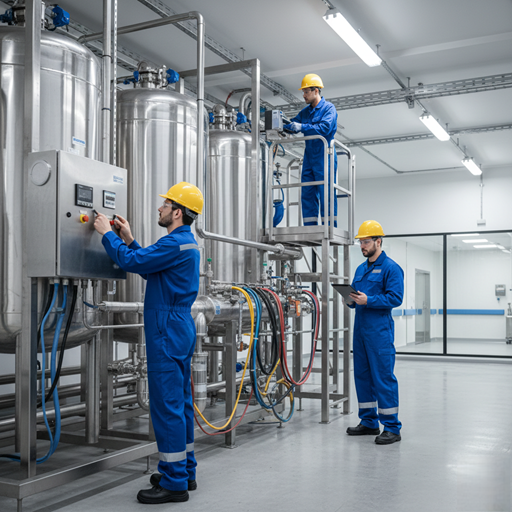
Preventive maintenance in water treatment plants is essential to ensure the reliability and efficiency of operations. It involves a systematic approach to regularly inspecting, cleaning, repairing, and maintaining equipment to prevent unexpected breakdowns and maintain optimal performance. The following steps outline the key components of an effective preventive maintenance plan for water treatment plants.
Scheduled Inspections
Regular inspections are fundamental to preventive maintenance, enabling technicians to identify and address potential problems before they escalate.
- Visual Inspection: Technicians must conduct a thorough visual inspection. Check all equipment, including pumps, motors, valves, and filtration systems, for signs of corrosion, rust, leaks, or other malfunctions. Performance Monitoring: Equipment performance parameters, such as flow rates, pressure levels, and temperature, must be measured using specialized instruments to ensure operation within specified ranges.
- Documentation: It is essential to document inspection results, including any necessary actions taken, to maintain compliance with regulatory standards and track equipment performance over time.
- Cleaning and Disinfection: Regular cleaning and disinfection of processing components is vital to prevent contamination and buildup:
- Sludge Removal: Accumulated sludge, scale, and biofilms must be removed from tanks, pipelines, and other surfaces using appropriate cleaning agents.
- Regular Disinfection: Applying disinfection procedures helps control microbial growth, which can negatively impact water quality and equipment safety.
Maintenance Equipment
Regular equipment maintenance is crucial for maintaining operational efficiency:
- Routine maintenance, such as lubrication, filter changes, and belt adjustments, should be performed according to the manufacturer’s guidelines and industry best practices.
- Equipment Calibration: Regular calibration of monitoring equipment ensures accurate measurement of water quality parameters, maintaining optimal control over treatment processes.
Predictive Maintenance Techniques
Integrating predictive maintenance techniques can enhance preventive maintenance strategies:
- Data Analysis: Advanced technologies and tools can be used to monitor equipment condition and analyze data trends, allowing technicians to predict potential malfunctions before they occur.
- Performance Tracking: Continuous monitoring of equipment performance helps identify patterns that may indicate the need for maintenance or component replacement.
Emergency Preparedness
Establishing emergency response protocols is a crucial step in preventive maintenance:
- Emergency Plans: Developing plans for equipment failures, chemical spills, and power outages facilitates a rapid response and minimizes downtime.
- Spare Parts Inventory: Maintaining a stock of spare parts and backup systems ensures that repairs can be carried out quickly should any problem arise.
Training and Documentation
Effective training and comprehensive documentation are essential for the success of a preventive maintenance program:
- Operator Training: Operators and maintenance technicians must receive comprehensive training on equipment operation, safety procedures, and maintenance protocols.
- Maintenance Records: Maintaining detailed records of all maintenance activities, inspections, and repairs helps evaluate performance and ensure compliance with regulatory requirements.
By implementing these preventive maintenance steps, water treatment plants can extend asset life, improve operational efficiency, and protect public health and the environment.
Article about: The Role of Maintenance in Reducing Future Repair Costs in Water Treatment Plants
Benefits of Preventive Maintenance
Preventive maintenance plays a crucial role in ensuring the reliability, efficiency, and safety of water treatment plants. By implementing a structured preventive maintenance program, facilities can reap numerous benefits that improve overall operational effectiveness.
Extending Asset Lifespan
One of the most significant advantages of preventive maintenance is its ability to extend equipment lifespan. Regular inspections and timely maintenance allow technicians to identify and address minor issues before they escalate into major problems. This proactive approach not only helps avoid costly repairs but also ensures that assets are kept in optimal condition, saving organizations money in the long run.
Reducing Downtime and Emergency Repairs
Effective preventive maintenance significantly reduces unplanned downtime and the frequency of emergency repairs. By adhering to a regular maintenance schedule, facilities can minimize the likelihood of unexpected breakdowns, thus maintaining smooth operations and reducing production delays. In fact, organizations that transition from reactive to preventive maintenance practices can achieve up to a 40% reduction in maintenance costs and nearly a 20% reduction in repair times.
Regulatory Compliance
In the wastewater treatment sector, compliance with regulatory frameworks is crucial. Preventive maintenance helps ensure compliance with regulations such as the Clean Water Act, reducing the risk of permit violations and associated penalties. By prioritizing routine maintenance, wastewater treatment plants can better manage their operations and protect against potential environmental hazards and legal repercussions.
Improved Operational Efficiency
The benefits of regular maintenance extend beyond simply improving equipment performance; they also enhance the overall efficiency of wastewater treatment operations. Facilities that implement effective preventive maintenance strategies can optimize production capacity, conserve resources, and reduce energy consumption. This results in significant cost savings and more sustainable operation.
Safety Considerations
Safety is a top priority in the wastewater treatment sector, and preventive maintenance contributes to a safer working environment. Technicians who adhere to established safety protocols and participate in ongoing training can minimize the risks associated with maintenance tasks. This focus on safety not only protects personnel but also safeguards the community and the surrounding environment.
Peace of Mind for Operators
Finally, a well-implemented preventive maintenance program provides peace of mind for facility operators. Knowing that systems are being monitored and regularly maintained helps ensure that operations run smoothly and within safety standards. This reliability fosters confidence among employees and management, allowing them to focus on their core responsibilities without constant worry about unexpected equipment failures.
Also Read: The importance of carrying out preventive maintenance of the water treatment plant