

The maintenance dates for a greywater treatment system
Greywater treatment refers to the processes used to treat wastewater generated from domestic activities, such as washing clothes and dishes and showering, excluding toilet wastewater. This practice has gained significant importance in the context of sustainable water management, particularly in water-scarce regions. As urban populations grow and the demand for fresh water increases, efficient greywater treatment systems can help recycle water for non-potable uses, reducing the overall demand on municipal water supplies and contributing to environmental conservation.
Maintenance time for greywater treatment systems is a critical factor affecting their efficiency, reliability, and lifespan. Factors such as the type of treatment technology used—whether biological, chemical, or physical—significantly influence maintenance schedules and practices. Regular maintenance tasks, including inspections, cleaning, and repairs, are essential to ensure the systems operate effectively and comply with health and safety regulations.
Failure to adhere to maintenance protocols can lead to system malfunctions, increased operating costs, and potential environmental hazards. The most significant controversies surrounding greywater treatment revolve around regulatory compliance, health risks, and the environmental impact of chemical treatments. Given the wide variation in regulations regarding greywater reuse across regions, operators often face challenges in meeting local and national standards, which can impact system design and operation.
Furthermore, the environmental impacts of chemical treatments, particularly concerning residual chemicals in treated greywater, raise concerns among environmental and public health advocates, necessitating a balanced approach to greywater management.
In short, the maintenance time of greywater treatment systems is influenced by equipment type, operating conditions, and regulatory frameworks—all crucial factors for optimizing performance and ensuring public safety. A well-managed greywater system can significantly contribute to the sustainable management of water resources but requires meticulous attention to maintenance practices and compliance with evolving regulations.
Related Article: Five Things to Consider When Building a Water Treatment Plant
Types of Greywater Treatment Systems
Greywater treatment systems can be categorized into three main types: biological, chemical, and physical processes. Each type of treatment has its own methodologies and applications based on the intended use of the treated greywater and the characteristics of the water source.
Biological Treatment
Biological treatment utilizes the natural processes of microorganisms to break down organic matter, pathogens, and some chemicals present in greywater. This approach is environmentally friendly and may include technologies such as engineered wetlands or bioreactors that use specialized bacteria. The effectiveness of biological treatment depends on factors such as temperature, nutrient levels, and the length of time the water remains in the treatment system.
Chemical Treatment
Chemical treatments typically involve the use of disinfectants, such as chlorine, ozone, or ultraviolet radiation, to eliminate bacteria and other pathogens from greywater. While this method is very effective in producing water that is safe for reuse in specific applications, it requires careful management to prevent environmental damage from residual chemicals. Monitoring and controlling chemical use is crucial to avoid any unintended side effects on ecosystems.
Physical Treatment
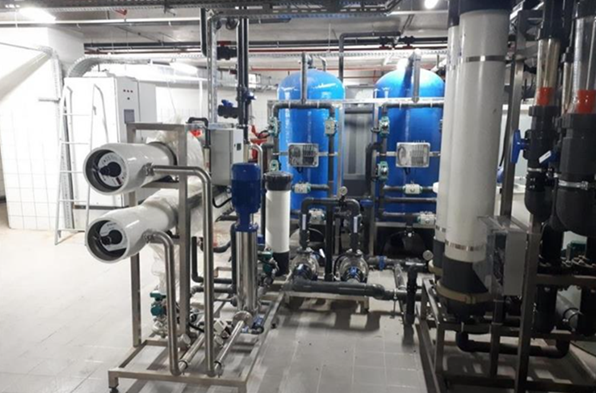
Physical treatments use methods such as filtration and sedimentation to remove solids and certain types of bacteria from greywater. Filtration systems range from simple physical barriers to more sophisticated processes like reverse osmosis. Physical treatment is often used in conjunction with biological and chemical methods to achieve comprehensive greywater treatment. A well-designed greywater system integrates these processes according to the greywater source and intended reuse, enhancing hygiene and extending system life by minimizing the risk of blockages and damage.
In addition to these basic methods, factors such as soil permeability and treatment system design can significantly impact greywater treatment efficiency. Proper site selection and treatment facility management, including maintaining adequate collection and drying periods, are essential to ensure efficient performance and prevent groundwater contamination.
Maintenance Requirements
Regular maintenance is critical to ensuring optimal performance and longevity of greywater treatment systems. Effective maintenance strategies not only improve efficiency but also reduce the risk of breakdowns and safety hazards.
Preventive Maintenance
Preventive maintenance includes periodic inspection, servicing, and repairs. Ventilating equipment helps prevent breakdowns and costly repairs. Technicians should establish maintenance schedules that include routine tasks such as cleaning, lubrication, and calibration to proactively identify potential problems before they worsen. Most manufacturers recommend specific periodic maintenance schedules, which should be followed to maintain warranties and extend equipment life.
Main Maintenance Tasks
Main maintenance tasks for greywater treatment systems include:
- Periodic Inspections: Conduct regular inspections to assess equipment condition and identify leaks, corrosion, or unusual noises.
- Filter Cleaning: Remove and clean mechanical and biological filters periodically to prevent blockages and ensure efficient operation.
- Pump and Electrical Equipment Maintenance: Inspect and maintain pumps and electrical equipment according to the manufacturer’s recommendations.
- Sludge and Sediment Removal: Regularly remove accumulated sludge and sediment from tanks and ensure their environmentally safe disposal.
Training and Equipment
Technicians need a solid foundation in troubleshooting, diagnostics, and repair techniques to perform maintenance efficiently. Ongoing training and the provision of well-maintained tools and safety equipment are essential to ensure operational safety. Safety protocols, including the use of personal protective equipment and emergency response plans, must be prioritized to protect personnel and the environment.
Performance Improvement
Regular maintenance not only improves equipment reliability but also enhances overall system performance. By maintaining optimal operating conditions, facilities can achieve increased productivity and compliance with environmental regulations. Regular maintenance practices also contribute to sustainability by reducing energy consumption and environmental impact.
Read also: The Difference Between Periodic and Corrective Maintenance
Factors Affecting Maintenance Time
Equipment Type and Manufacturer Recommendations
The type of equipment used in greywater treatment systems significantly impacts maintenance time. Most manufacturers provide specific periodic maintenance schedules to maintain warranty conditions, which should form the basis of maintenance activities. Adherence to these recommendations is crucial for efficient long-term operation and can prevent premature component wear.
Equipment Operation History
Reviewing equipment operation history can reveal patterns of failure and wear, helping to determine appropriate maintenance intervals. A thorough review of past maintenance records allows for adjustments based on past performance and can reduce the frequency of unexpected failures.
Usage and Load Conditions
The operating conditions under which greywater treatment systems function are critical in determining maintenance needs. Equipment operating under harsh conditions or with high utilization rates often requires more frequent maintenance. Therefore, maintenance schedules should be adjusted according to the actual load and system usage. This personalized approach can help maximize performance and extend equipment lifespan.
Cost and Resource Availability Considerations
Maintenance time is also affected by budget and available resources. More frequent maintenance may require additional financial and technical resources, which may not always be available. Therefore, a balance must be struck between the requirements for efficient maintenance and the available resources. This consideration is crucial in planning an effective maintenance schedule that aligns with operational goals and constraints.
Safety and Risk Management
Proper maintenance practices enhance safety and reduce the risks associated with equipment failures. Regular inspections and maintenance minimize the likelihood of breakdowns, which can lead to accidents or injuries. Therefore, maintenance time should include thorough safety checks to ensure compliance with safety regulations and the protection of personnel.
Integration with Existing Systems
The complexity of integrating greywater treatment systems into existing infrastructure can impact maintenance time. Plumbing modifications and space constraints must be carefully considered to ensure smooth operation. This complexity often necessitates additional maintenance time, particularly in densely populated urban areas.
Technical Factors
Advances in greywater treatment technology can affect maintenance time. While some systems may require more frequent maintenance, others are designed for less maintenance but may require higher initial investments. Understanding the specific technology used, whether aerobic or anaerobic, is critical for developing an effective maintenance strategy. By assessing these factors, stakeholders can better manage the maintenance time required for greywater treatment systems, ultimately leading to improved performance, efficiency, and safety.
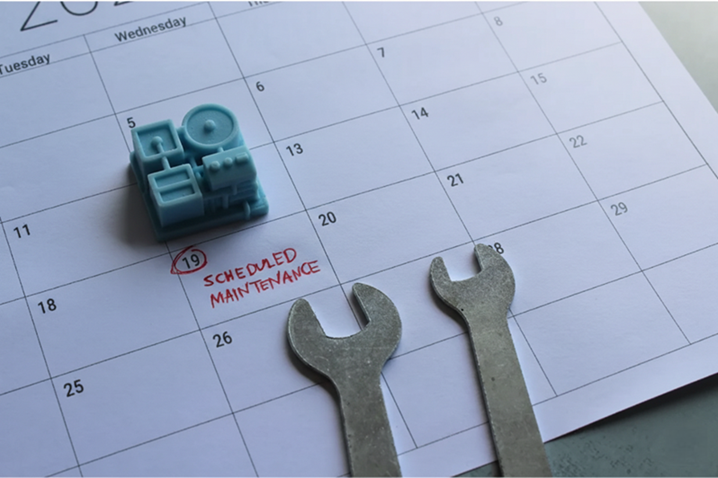
Maintenance Scheduling: The Cornerstone of System Sustainability and Efficiency
The importance of scheduling precise maintenance for greywater treatment systems lies in its fundamental role in ensuring system efficiency and extending its lifespan. It prevents unexpected breakdowns that could lead to service interruptions and directly contributes to reducing operating costs. Furthermore, adhering to a strict maintenance schedule guarantees the quality of treated water and its compliance with health and environmental standards, protecting users from potential hazards and preventing the pollution of natural resources, thus maximizing the benefits of sustainable water solutions.