

Greywater Treatment Technology Selection Criteria
Greywater treatment technologies encompass a range of methods designed to recycle and purify wastewater generated from domestic activities, excluding toilet wastewater. With growing concerns about water scarcity and environmental sustainability, selecting appropriate greywater treatment technologies has become crucial in urban water management. These technologies are essential for promoting water conservation, reducing freshwater demand, and improving overall resource management. The choice of treatment system is influenced by several factors, including the intended use of the treated water, economic feasibility, maintenance requirements, environmental impact, and regulatory compliance.
The intended use of greywater plays a critical role in technology selection, as different applications—such as irrigation, toilet flushing, or industrial processes—require varying levels of treatment to meet health and safety standards. Simpler systems may suffice for irrigation, while more sophisticated technologies are necessary for applications with stricter quality requirements. Furthermore, the sustainability of the chosen technology has emerged as a significant factor, with preferences shifting toward systems that minimize chemical use and maximize resource recovery, such as continuous electrolytic deionization (CEDI) and other innovative solutions.
Factors Influencing Technology Selection
The selection of the appropriate greywater treatment technology is influenced by several key factors, including the intended use, environmental impact, system complexity, and sustainability goals.
Intended Use and Quality Requirements
The intended use of the treated greywater is a primary consideration in technology selection. For example, greywater intended for irrigation may require less rigorous treatment than water used for flushing toilets, which requires higher quality standards due to public health considerations.
Different systems can achieve varying levels of treatment, ranging from simple diversion systems that allow immediate use in gardens to more complex systems that include filtration and disinfection processes.
Environmental Impact and Sustainability Goals
With growing environmental concerns, the sustainability of greywater treatment technologies is becoming increasingly important. Priority is given to technologies that reduce water waste, use fewer chemicals, and promote overall environmental protection. Solutions such as water recycling and continuous electrolyte deionization (CEDI) align with sustainability goals, enhancing the environmental suitability of the selected systems.
Cost and Maintenance
Economic factors also play a crucial role in technology selection. Installation, operation, and maintenance costs can significantly impact the viability of greywater recycling systems. While advanced systems may offer higher-quality treatment, their complexity and cost may make them less readily available, particularly for households. Furthermore, systems that can be integrated into new projects often offer greater cost savings and easier maintenance compared to retrofitting existing homes.
Scalability and Flexibility
Scalability is another vital consideration, especially for municipalities and large housing projects. Technologies must be able to accommodate future growth and modifications in response to changes in demand or treatment requirements. This adaptability helps ensure systems remain effective in the face of unforeseen challenges and disruptions.
Regulatory Compliance
Compliance with local regulations and water quality standards is essential in the selection process. Technologies must meet the necessary standards to ensure safety and reliability. This includes addressing concerns about the presence of harmful substances in greywater, such as pathogens and chemicals that could affect human health and the environment. Compliance with regulatory standards may necessitate more sophisticated treatment options, impacting the selection of the appropriate technology.
Read more about maximizing the efficiency of greywater treatment equipment using suitable valves.
Treatment Technology Options
When selecting a suitable greywater treatment technology, several options are available, each with its own advantages and limitations. The main categories of treatment technologies include physical, chemical, and biological methods, as well as newer technologies that enhance treatment efficiency.
Physical Treatment Technologies
Physical treatment methods focus on removing suspended solids and impurities through various filtration and sedimentation techniques. Common methods include sand filters, gravel filters, and screen filters, which can achieve significant reductions in total suspended solids (TSS) and turbidity, often exceeding efficiencies of 80%.
However, these methods alone are usually insufficient to reduce dissolved organic carbon and nutrients such as phosphorus and ammonia, necessitating their integration with chemical or biological processes for comprehensive treatment.
Chemical Treatment Technologies
Chemical treatment involves adding coagulants and other chemicals to enhance the removal of contaminants from greywater. Coagulation processes using agents such as calcium hydroxide (Ca(OH)₂) and ferric chloride (FeCl₂) can reduce chemical oxygen demand (COD) and biological oxygen demand (BOD) levels by up to 90%.
However, these treatments may alter the pH of the greywater, complicating subsequent treatment processes. The effectiveness of chemical treatments is often enhanced when combined with physical methods to remove solids before chemical application.
Biological Treatment Techniques
Biological treatment methods utilize natural microbial processes to break down organic matter in greywater. Techniques such as reactors are used. Aerobic bioreactors and man-made wetlands are commonly used to facilitate the breakdown of organic pollutants.
These systems can achieve high levels of pollutant reduction, especially when combined with physical and chemical treatments. Notably, membrane bioreactor (MBR) technology combines biological treatment with membrane filtration, producing high-quality treated water suitable for reuse in various applications.
Advanced and Emerging Technologies
Recent innovations have led to the development of advanced treatment technologies, enhancing the efficiency and effectiveness of greywater management. Advanced oxidation processes (AOPs) utilize powerful hydroxyl radicals to oxidize organic pollutants in liquid media, while electrocoagulation (EC) uses electric currents to collect and remove a wide range of pollutants, including heavy metals and pathogens.
Furthermore, the integration of smart technologies, such as real-time monitoring and automated control systems, can significantly improve the operational efficiency and environmental outcomes of greywater treatment systems.
Evaluation Criteria
When selecting greywater treatment technology, it is essential to evaluate several critical criteria to ensure the chosen solution effectively meets operational, environmental, and regulatory requirements.
Treatment Method Efficiency
The efficiency of treatment methods is a fundamental consideration, as it directly impacts the quality of the treated greywater. Key factors include the percentage of contaminant reduction and the system’s ability to achieve specific water quality targets. An effective treatment process should not only achieve the required contaminant removal rates but also ensure the technology used is appropriate for the volume and characteristics of the treated greywater.
Operating and Maintenance Costs
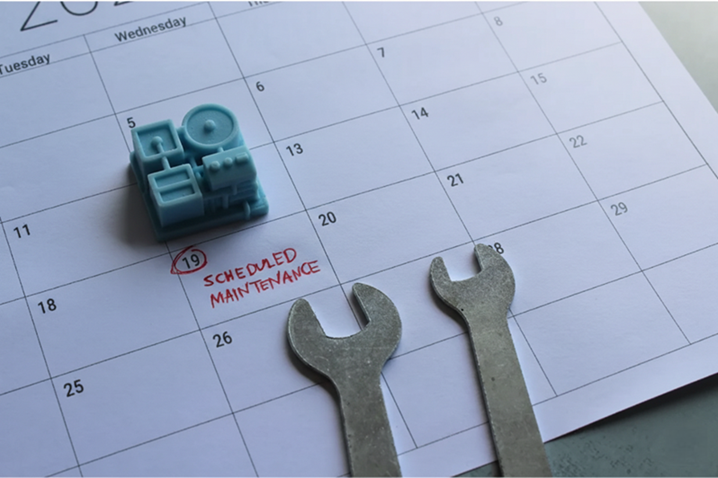
Cost assessment is crucial in the selection process. Both initial capital costs and long-term operating expenses, such as labor costs, energy consumption, and chemical usage, must be thoroughly analyzed. Potential maintenance costs should also be considered when making the decision to avoid unexpected financial burdens. Facilities with effective preventive maintenance programs typically incur lower long-term costs compared to those adopting a reactive maintenance approach.
Regulatory Compliance
Ensuring compliance with local, state, and federal regulations is critical to avoid penalties and maintain operational continuity. This includes reviewing existing regulations related to greywater treatment and obtaining the necessary permits. The selected technology must not only comply with current standards but also anticipate future regulations concerning emerging pollutants and the potential need for new operating procedures.
Infrastructure Management
Infrastructure costs, including the construction and maintenance of treatment facilities, present significant challenges. Effective long-term planning is therefore essential due to the substantial costs associated with these facilities. The selected technology should facilitate this process and integrate with the existing infrastructure. It is scalable to accommodate future growth or changes in operational needs.
Technological Integration
The integration of information technology (IT) and operational technology (OT) is transforming the water treatment sector. As new technologies emerge, the selected system must be adaptable. Allowing for upgrades and modifications in response to increased demand or new treatment requirements. This operational flexibility is crucial for addressing unforeseen disruptions and challenges.
Sustainability Goals
Integrating sustainability goals into the selection process is becoming increasingly important given growing environmental concerns. Technologies that minimize water waste, use fewer chemicals, and contribute to overall environmental protection should be prioritized. Solutions such as water recycling and continuous electrolyte deionization (CEDI) systems align well with these sustainability goals, enhancing the environmental viability of the chosen technology.
Community Engagement
Effective communication with local stakeholders is crucial during the planning and implementation phases of greywater treatment projects. Engaging the community through meetings and public discussions can provide valuable insights, foster support, and ensure that local needs and preferences are considered in the design process. This engagement is essential for building trust and securing financial support during operational challenges.
By assessing these critical criteria, organizations can ensure that the chosen greywater treatment technology not only meets immediate operational requirements but also supports long-term sustainability and compliance objectives.
Read more about how to get the best price for a greywater treatment plant in Saudi Arabia.